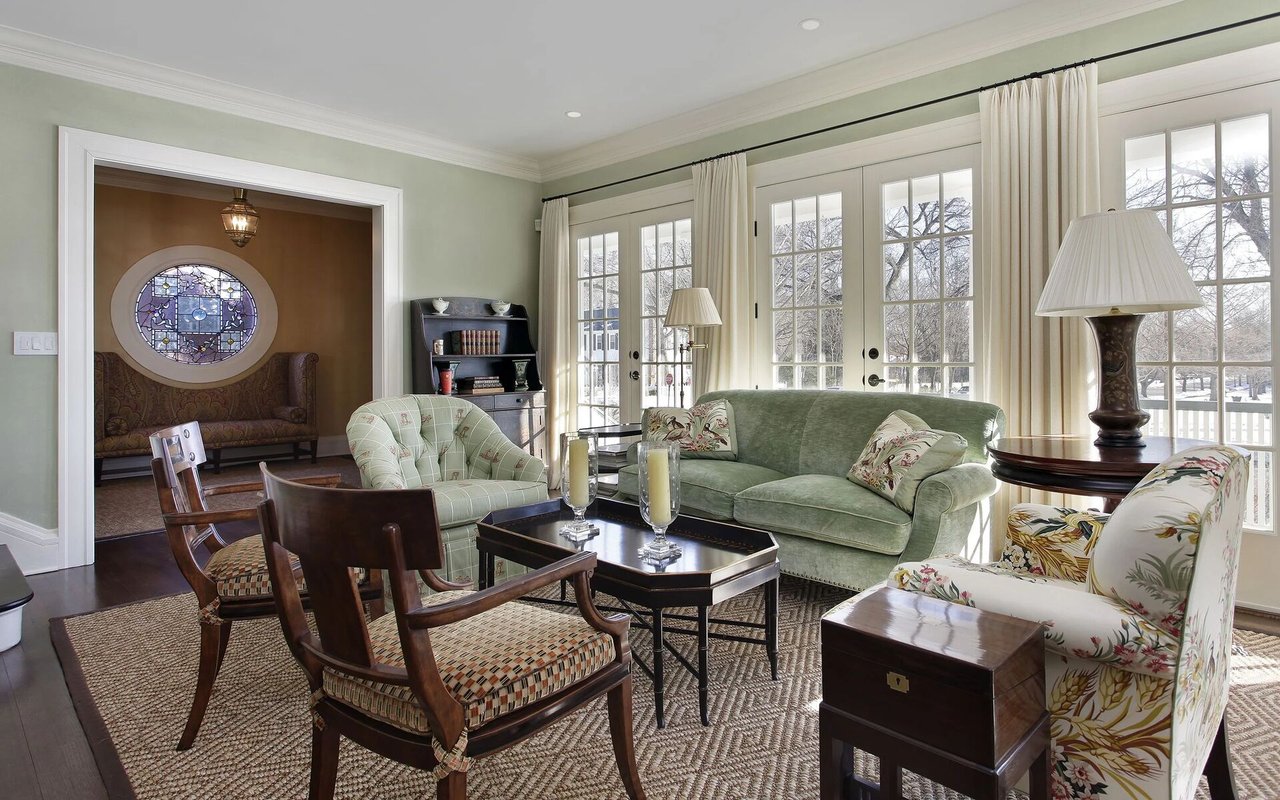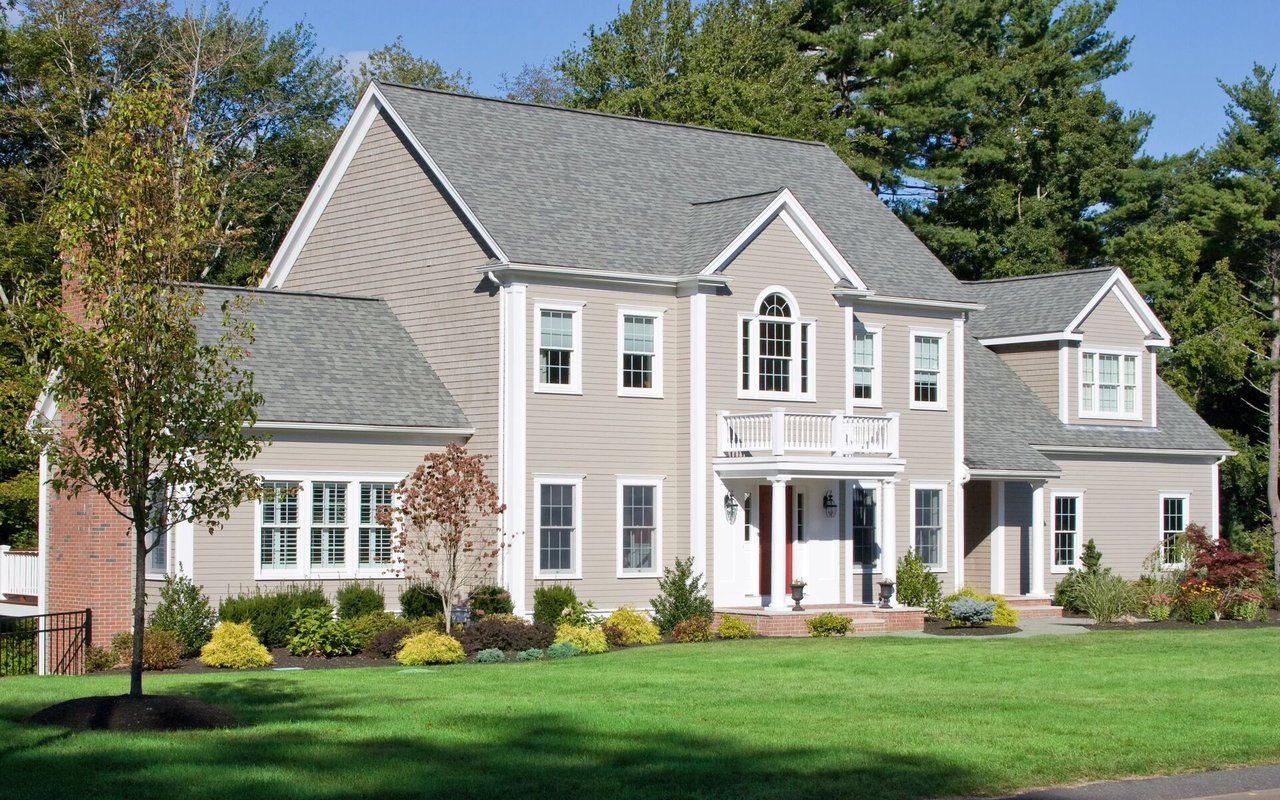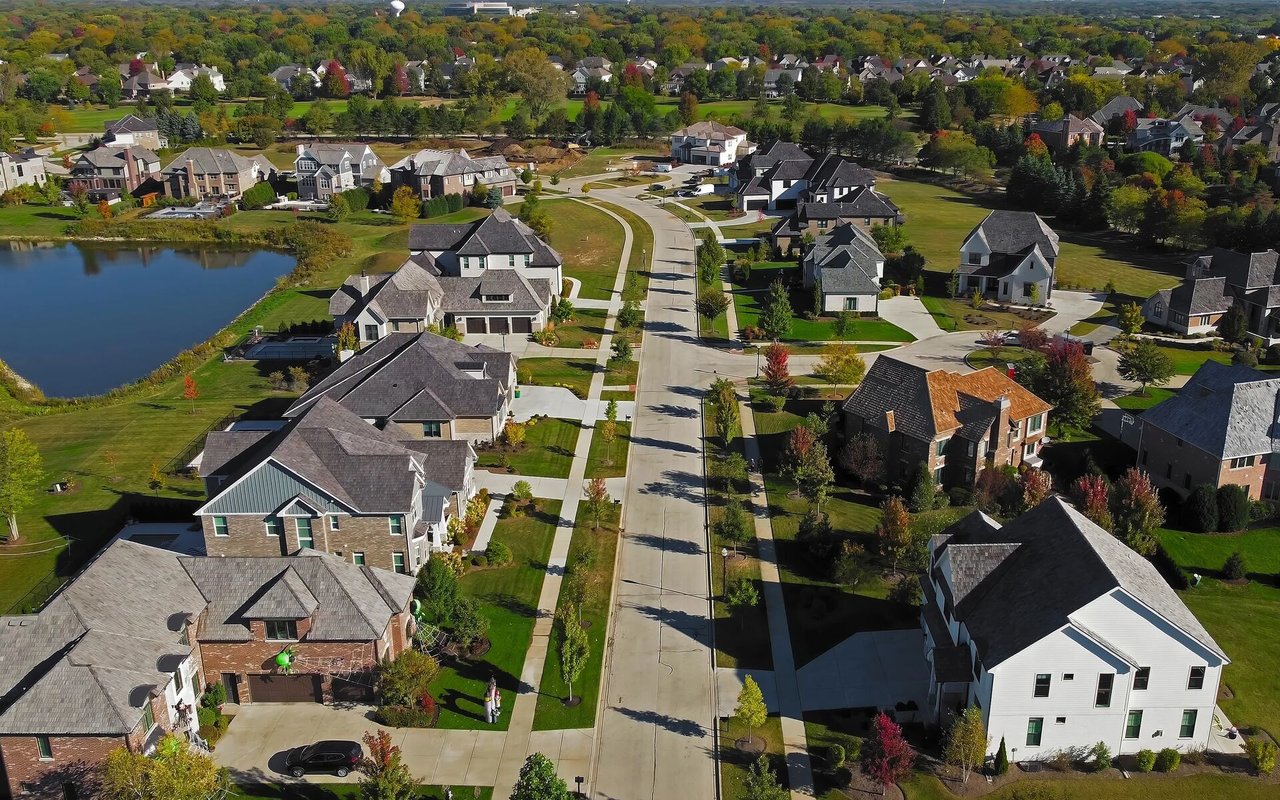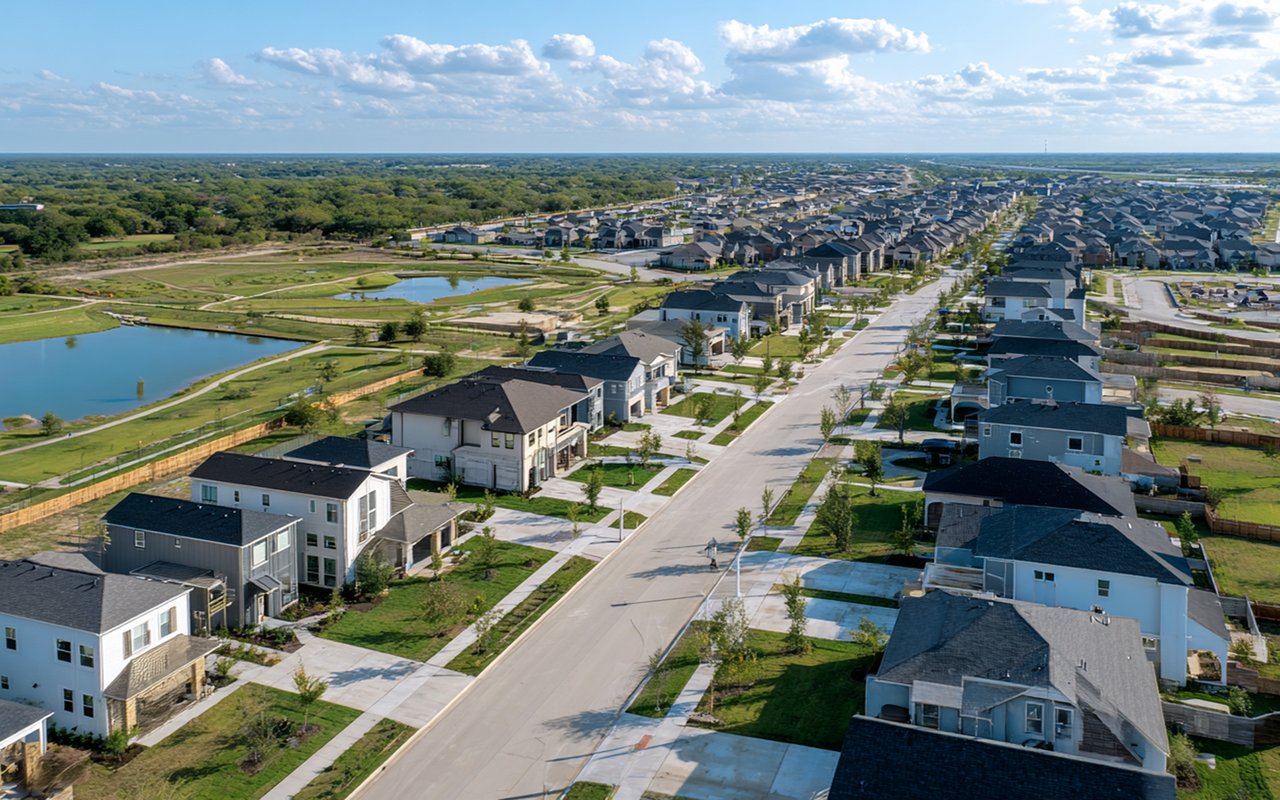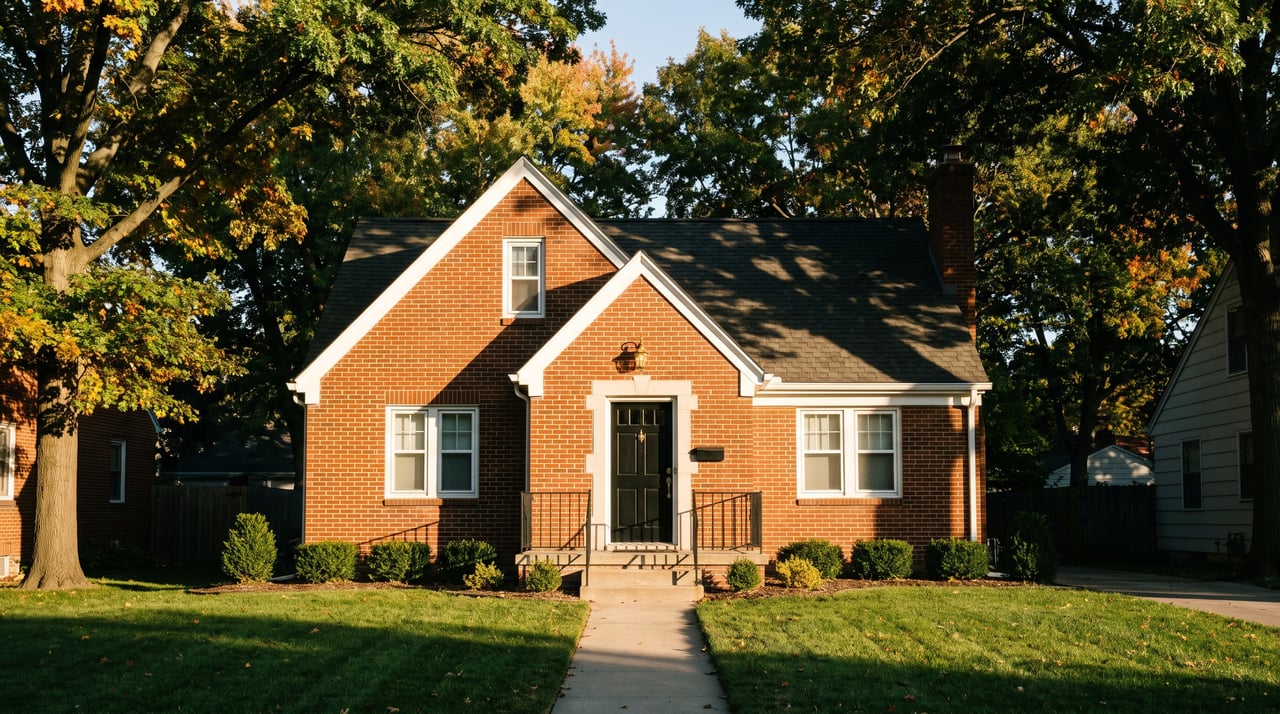
Saturday afternoon at an open house in Beaverdale, a couple in their late twenties stands in a 1940s brick story-and-a-half with original oak floors and a kitchen that hasn't been touched since the first Bush administration. It's one of the lowest-priced listings they've seen all month. One of them whispers the question every first-time buyer eventually asks: is this cheap, or is this smart?
Those aren't the same thing, and learning the difference is most of what it takes to buy a home for the first time in Des Moines without regretting it. The rest is doing the steps in the right order.
What "Affordable" Actually Means in Des Moines Right Now
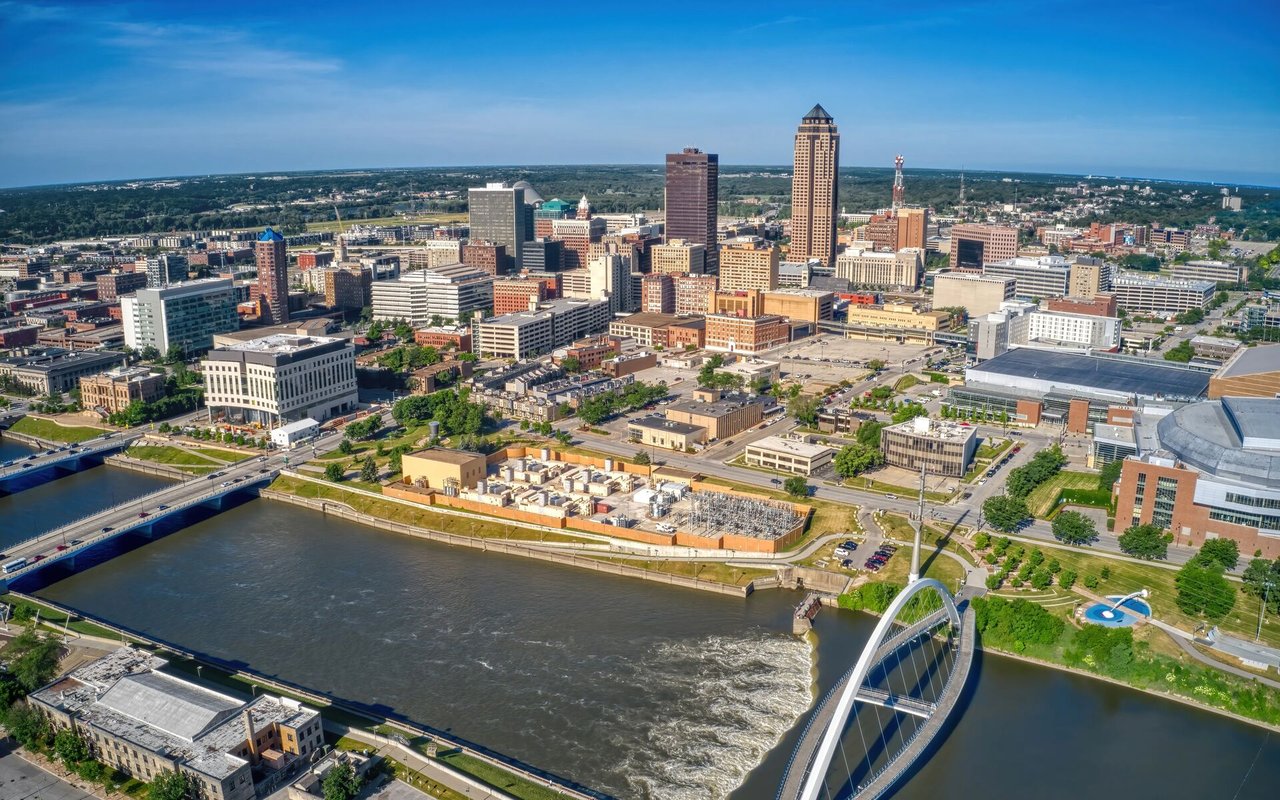
The Des Moines metro is still one of the more attainable markets in the country. The metro's median sale price averaged about $304,000 in the first half of 2026, compared with roughly $392,000 nationally, according to Redfin's mid-year review via Stacker. Within the metro, the spread is wide: Zillow puts the typical Polk County home near $281,000 and the typical Johnston home near $400,000 as of August, per Zillow's Johnston home values page.
The number that matters more than price is the payment. With 30-year rates sitting around 7.4% in early October, a $260,000 home with 3.5% down works out to roughly $1,740 a month in principal and interest alone, before property taxes, insurance, and mortgage insurance. That's why the first step isn't Zillow. It's a budget built from the monthly number you can live with.
How to Buy a Home in Des Moines: Six Steps in the Order That Saves You Money
- Budget by payment, not price. Decide what you can comfortably pay each month, then work backward with your lender to a price range.
- Get pre-approved and ask about Iowa's first-time buyer programs. The Iowa Finance Authority's FirstHome program offers loans that may require as little as 3% down, plus down payment and closing cost help, available as either a $2,500 grant or a second loan, according to First State Bank's IFA summary. Income and price limits apply, so ask a participating lender early.
- Pick two or three areas, not ten. Commute, schools, and the kind of house you want will narrow it faster than any filter.
- Tour with a checklist and write when it fits. Most first-time buyers know within five or six showings what their budget actually buys.
- Inspect everything, especially in an older home. A sewer scope and a look at the electrical panel are worth every dollar. Here's what a home inspector wants first-time owners to know.
- Appraisal, final walk-through, closing. Plan on roughly 30 to 45 days from accepted offer to keys.
If saving 20% feels like the thing holding you back, it probably isn't. I wrote about that in Busting the 20% Down Payment Myth, and Fast Track to Success includes a step-by-step timeline.
Cheap Houses for Sale vs. Smart Houses for Sale
Plenty of people search for a cheap house for sale. The lowest-priced listing in any neighborhood is low for a reason, and the reason is what decides whether it's a deal.
A cosmetic discount is your friend. Dated cabinets, worn carpet, loud paint, a 1990s bathroom: these scare off buyers scrolling photos, and they're the cheapest problems a house can have. You can fix them over time, on your schedule.
A structural discount is not. Foundation movement, an old roof, a failing sewer line, water in the basement, or outdated wiring can turn a bargain into a second mortgage. Those show up in the inspection, which is why you never skip it on a low-priced home.
One more clue lives in the listing history. With the typical metro home going under contract in about six weeks this year, a house that has sat for 60 days or more with a price cut or two often has a seller ready to negotiate. Ask why it's sitting before you assume it's a bad house.
Why an Old House for Sale Might Be Your Smartest First Move
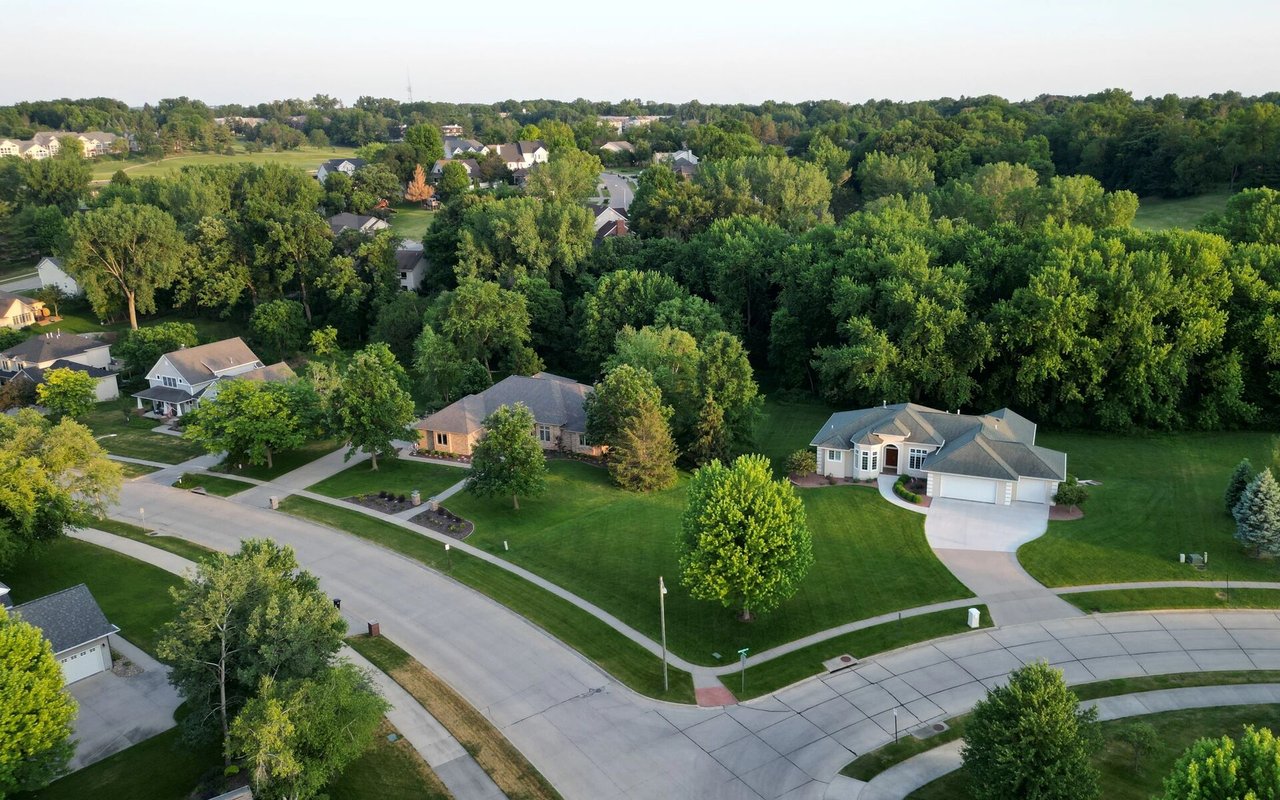
Some of the best first-time buys in the metro are older homes in established Des Moines neighborhoods. Zillow's neighborhood data puts typical values in Merle Hay, Lower Beaver, Beaverdale, Waveland Park, and Meredith between about $220,000 and $283,000, well under the suburban median, per Zillow's neighborhood figures. You often get mature trees, hardwood floors, walkable streets, and a short drive to jobs in Johnston, Urbandale, and downtown.
An old house for sale asks a little more of you up front. Budget for the systems you can't see in photos:
- Sewer line condition (a camera scope runs a few hundred dollars and can save thousands)
- Electrical panel and wiring age
- Roof and gutter age
- Basement moisture and grading
- Window and insulation efficiency, which shows up on winter utility bills
Get those right and an older home becomes the place where you build equity fastest, because you bought below the suburban median and improved it yourself.
Your First Home Is a Starting Line
I've walked enough first-time buyers through their first purchase to see how it plays out a few years later. The ones who bought the right older house, not the cheapest one, are often the ones calling me seven or eight years later with real equity and a growing family, ready to move up to Johnston or Ankeny. Your first home doesn't need to be your forever home. It needs to be a good decision you can build on. More on that in Your First Home Is Not Your Forever Home.
If you're ready to start, grab the free First-Time Homebuyer Guide, then reach out. Peter Jones Realty will help you tell the cheap houses from the smart ones, and get you to the closing table without surprises.