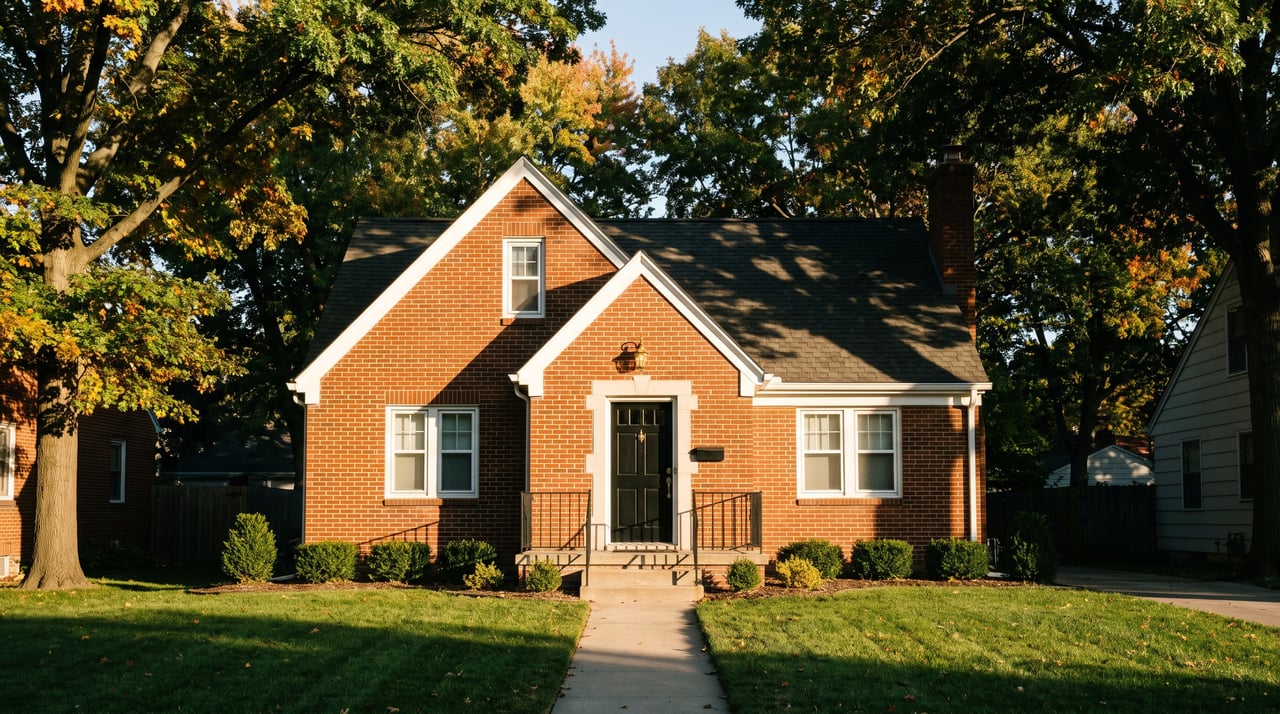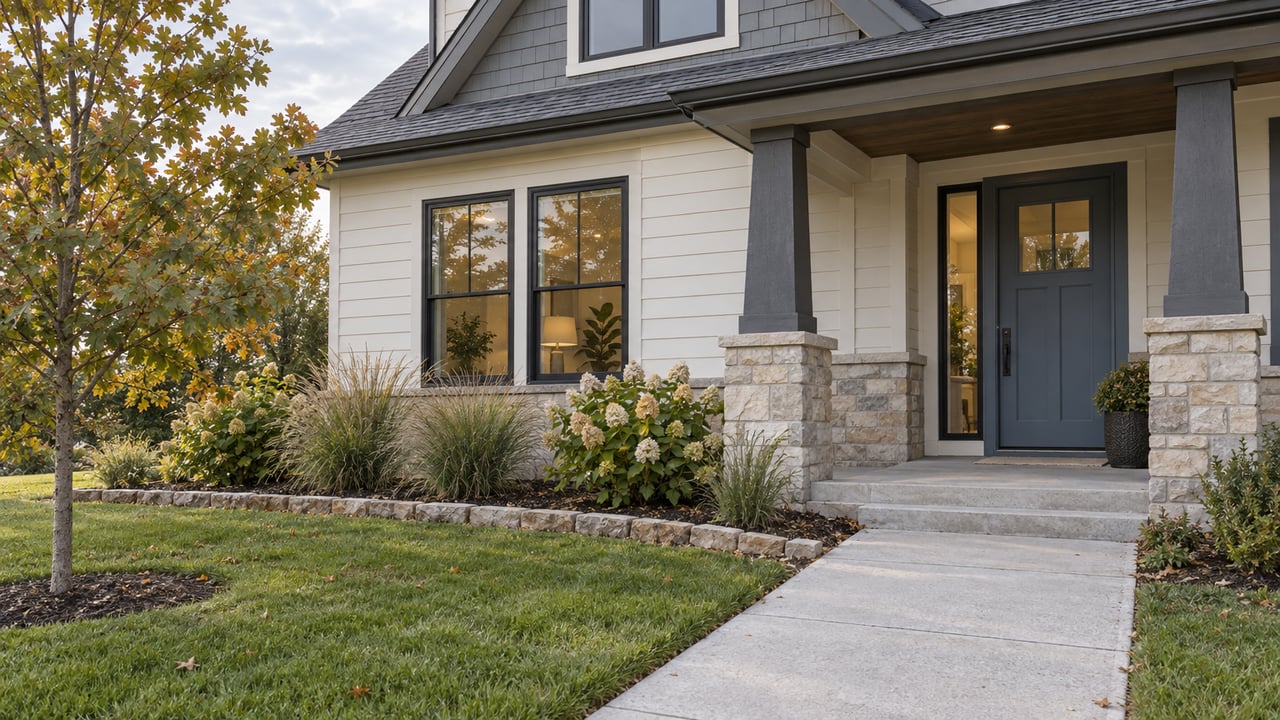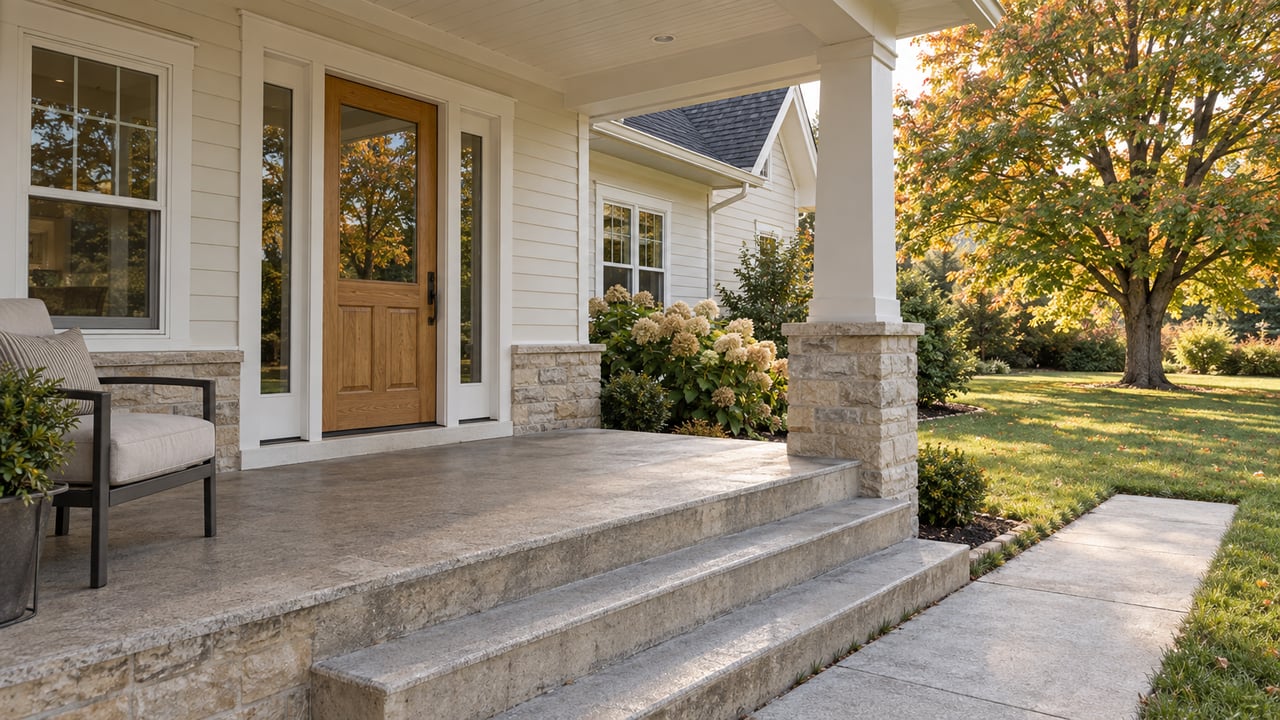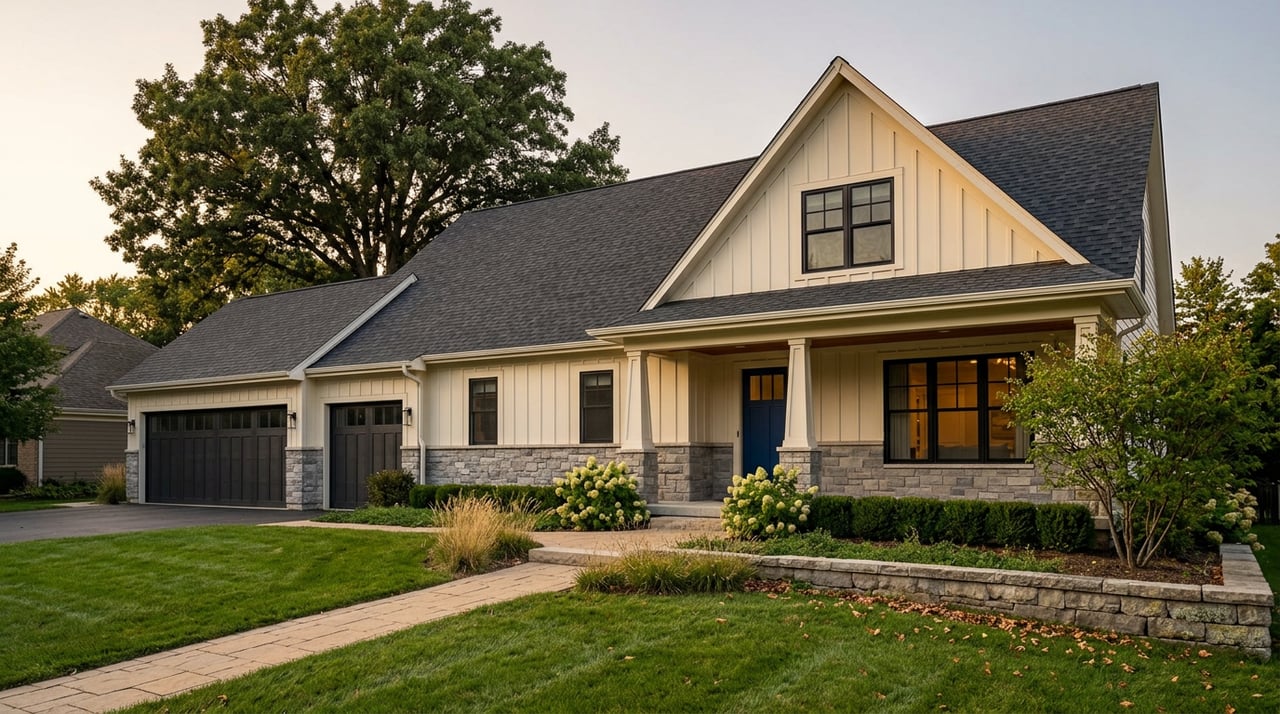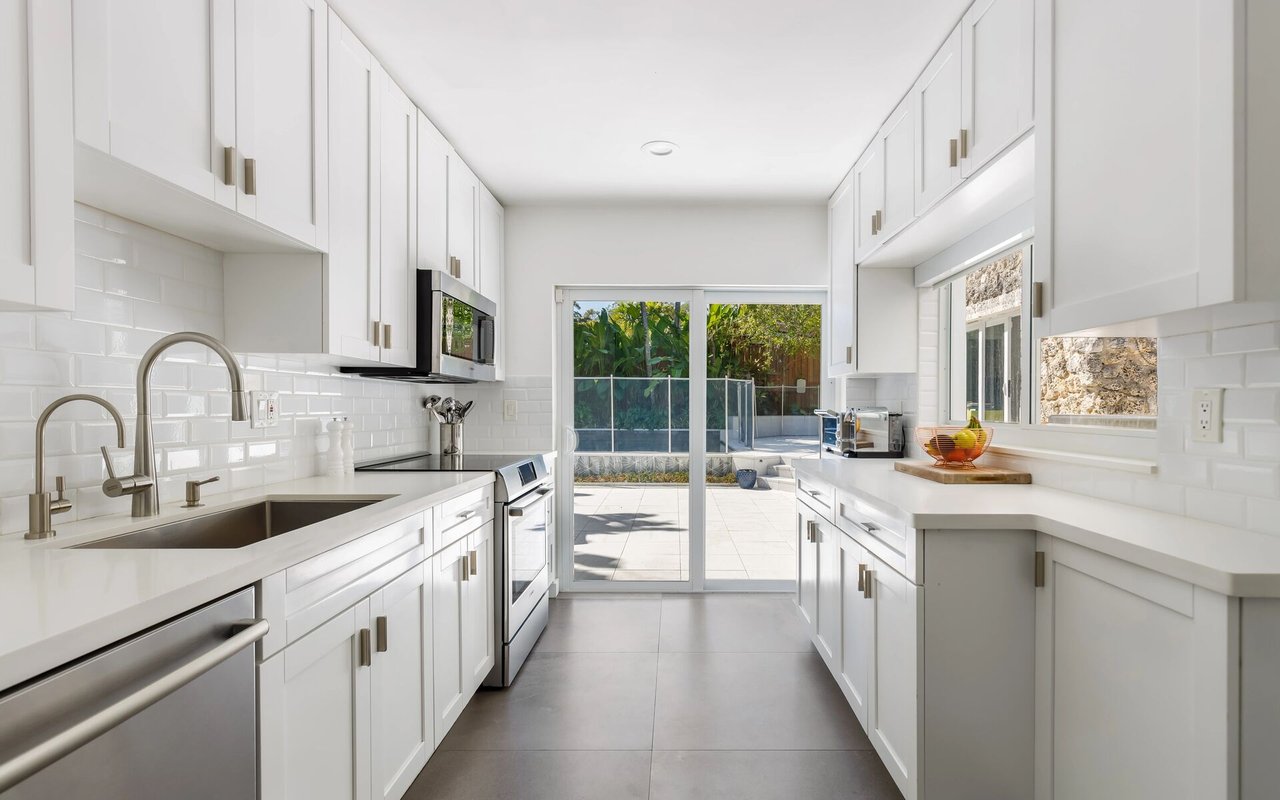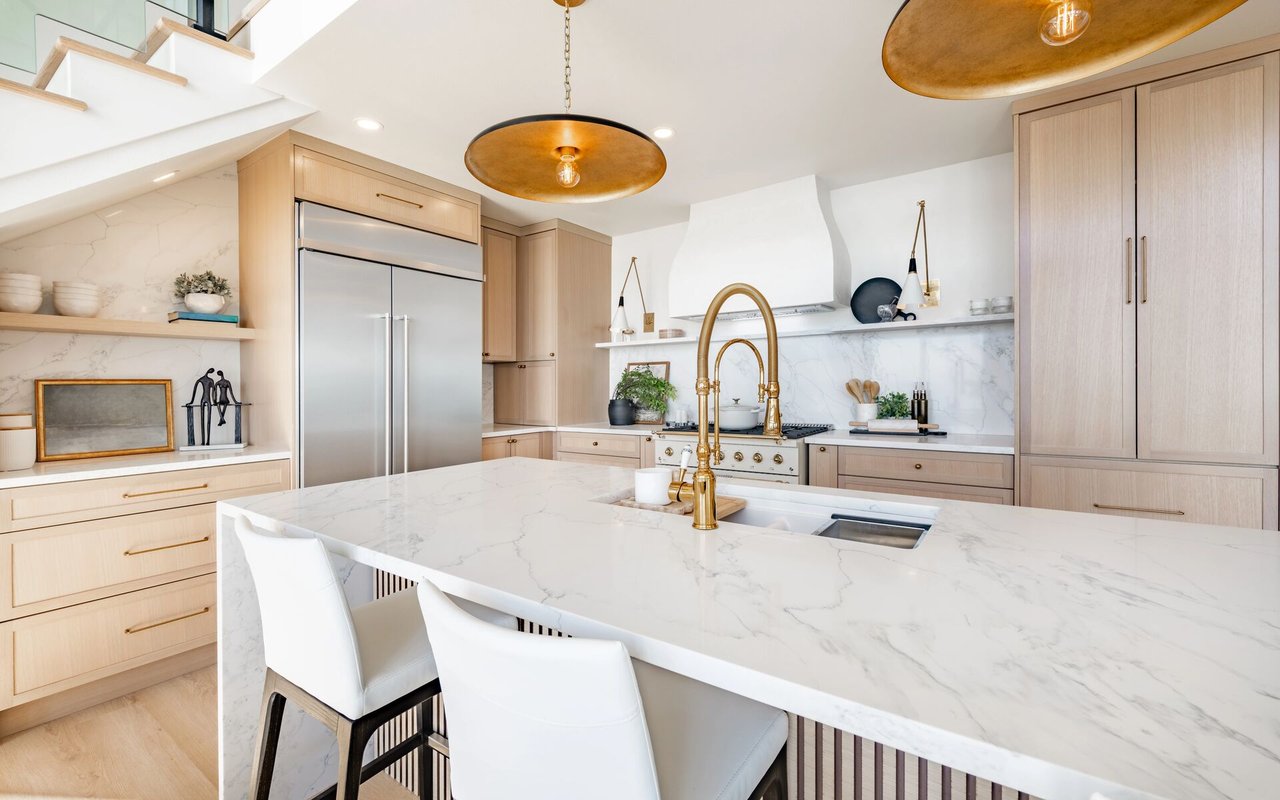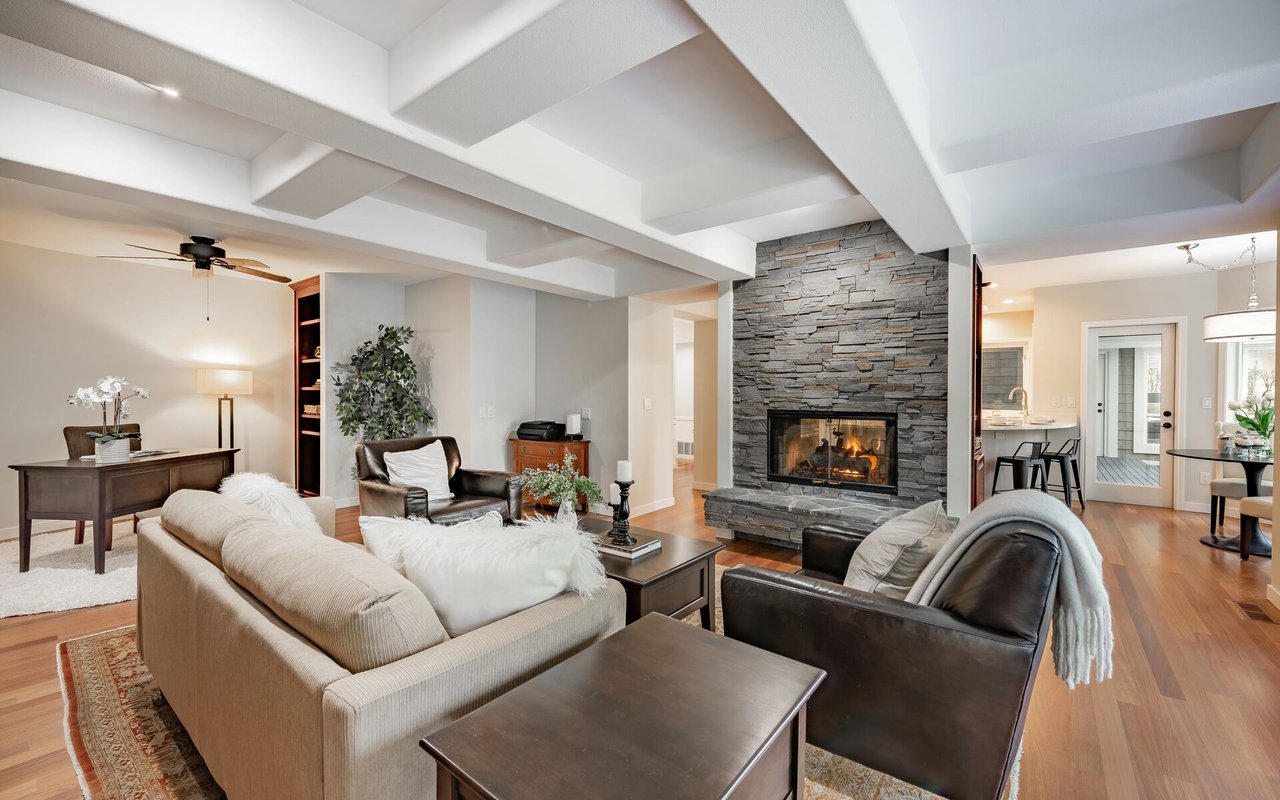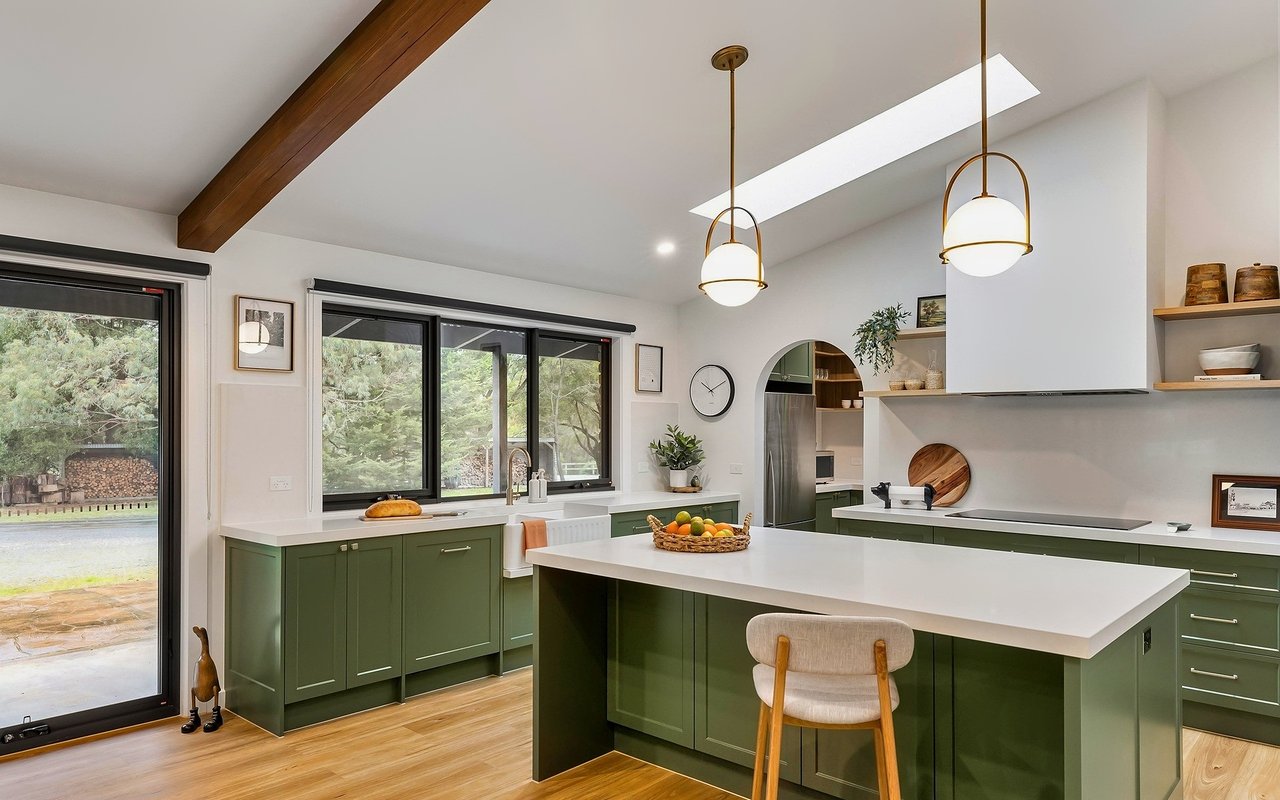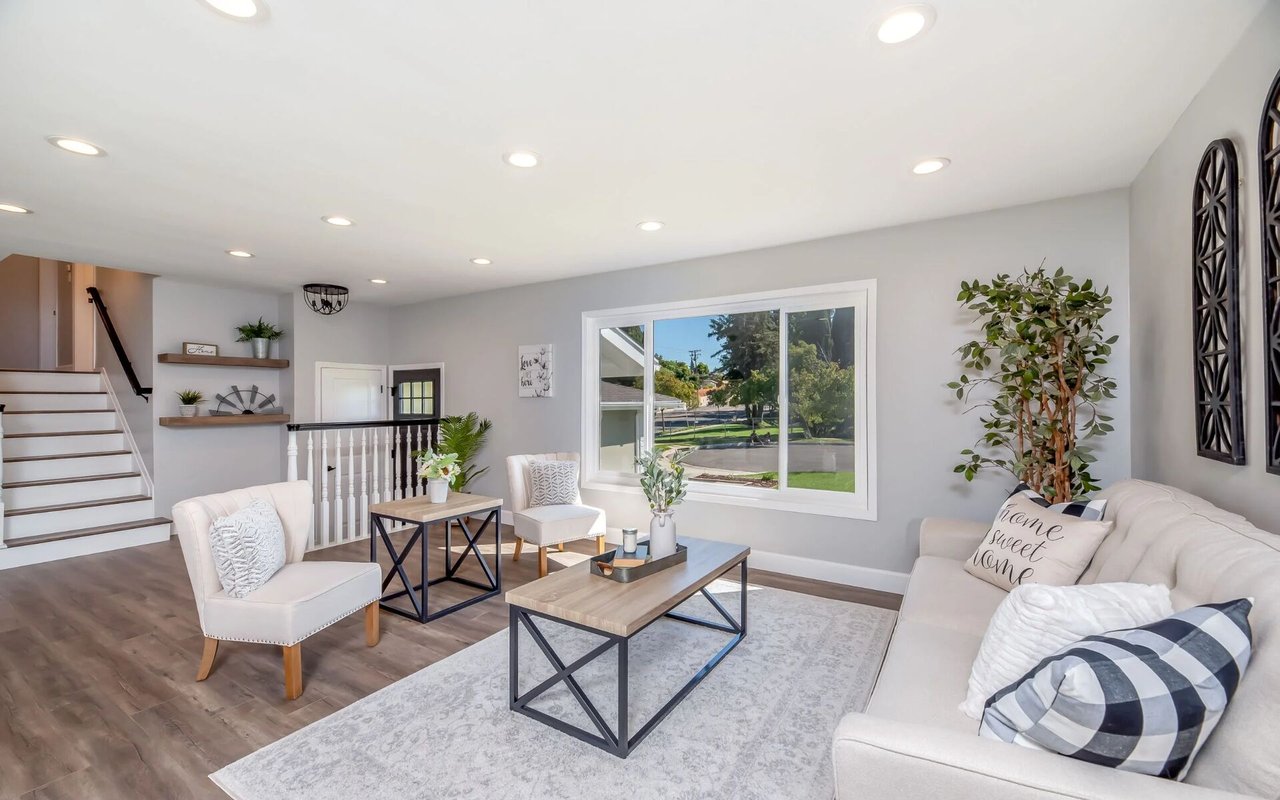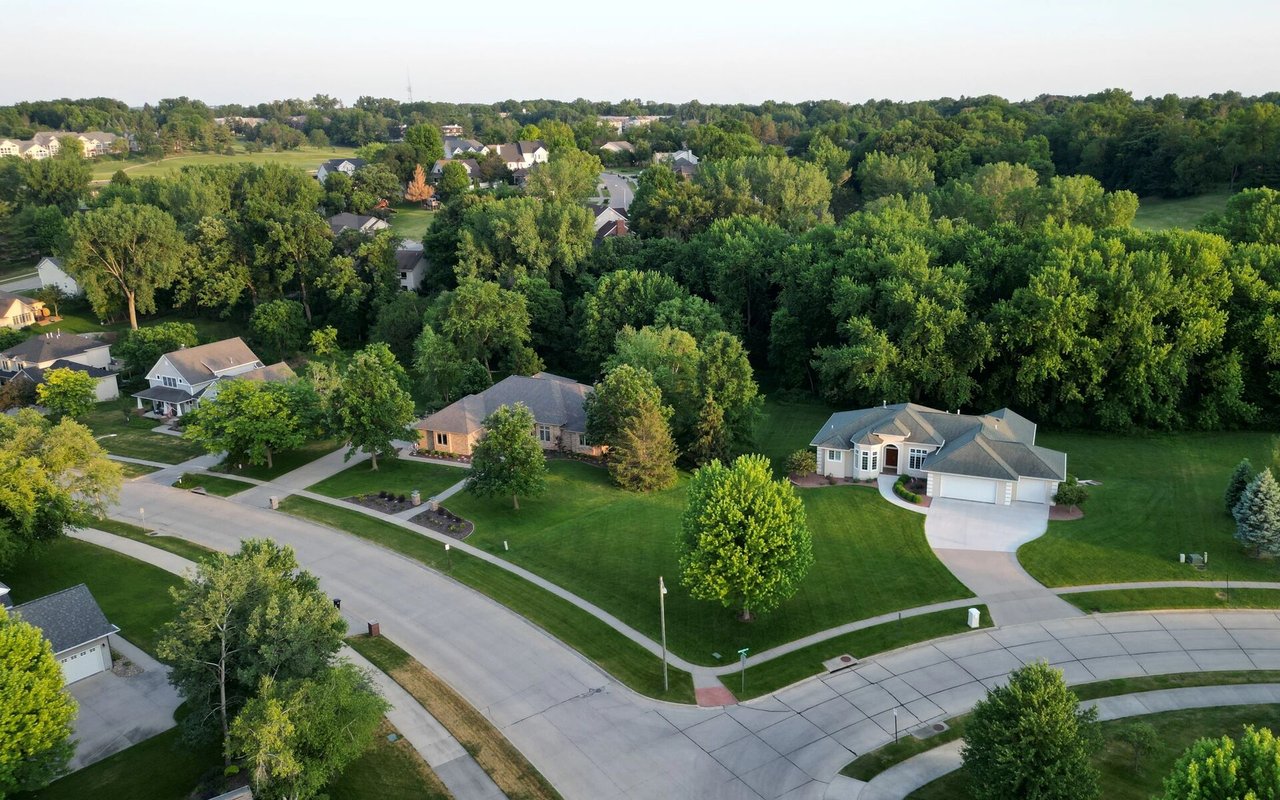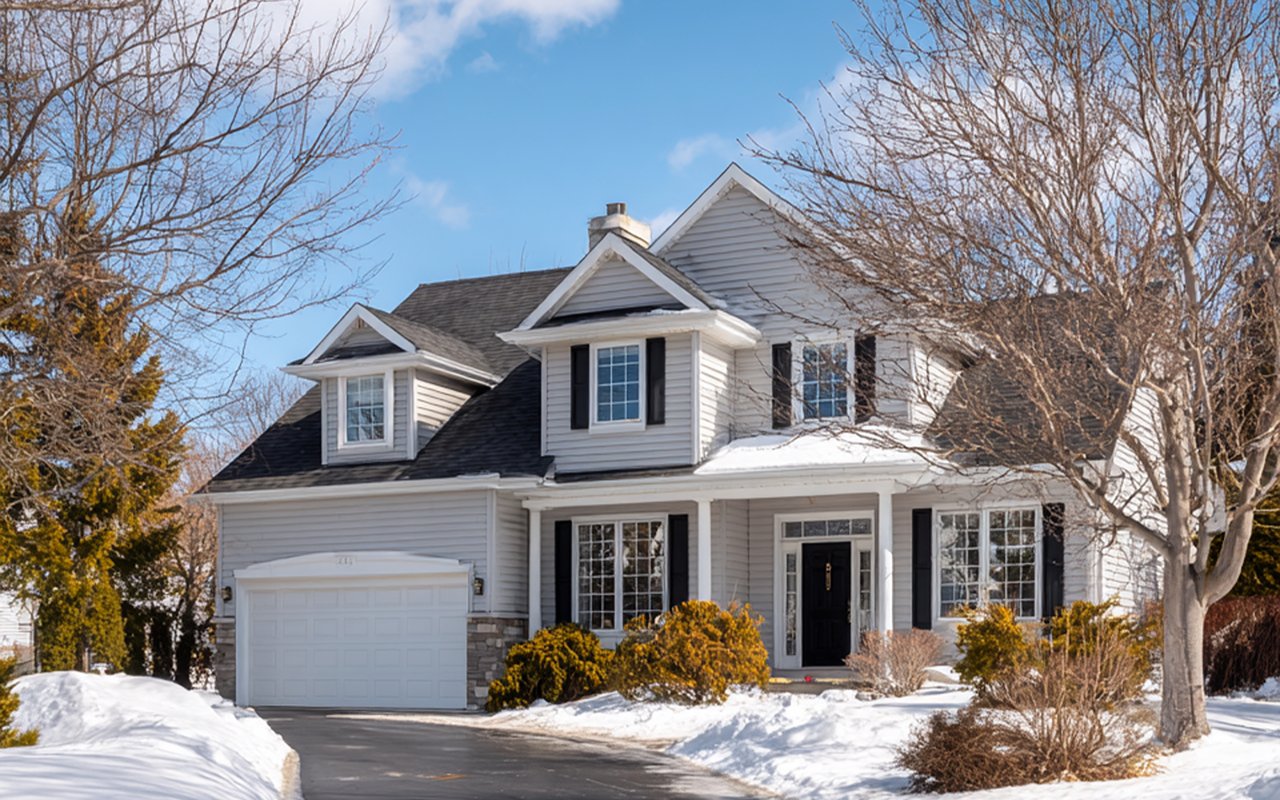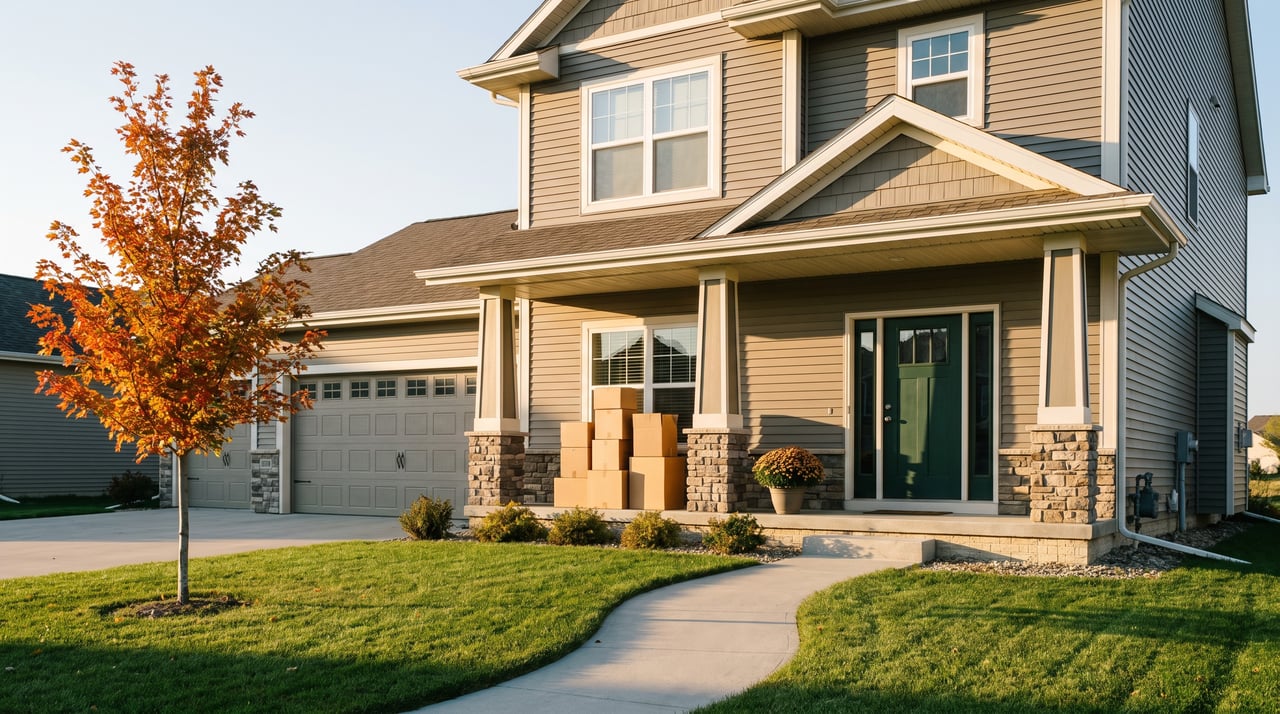
It's a Thursday night in a 2008 split-level in Urbandale, and two laptops sit open on the kitchen table. One is scrolling homes to buy near me in Johnston, filtered for four bedrooms and a three-car garage. The other is a spreadsheet guessing what the current house might sell for. Neither screen answers the question the couple is actually stuck on: which one happens first?
That single question is why so many move-up families sit on the decision for a year or two. Selling and buying at the same time isn't really two transactions. It's one project with two closing dates that need to land in the same week, and once you see it that way, the order of operations becomes much less mysterious.
The Calendar Is the Real Contract
Every move-up runs on four clocks at once: how long your listing sits, how long your buyer's lender needs, how long your own purchase takes to close, and your family's calendar. When those four clocks drift apart, you end up paying two mortgages or living out of a storage unit.
The first clock is the one most people underestimate. In May 2026, the typical Des Moines metro listing took 43 days to go under contract, and only about one in five sold within a week, according to Redfin's market data via Stacker. A prepared, well-priced home can move in days. An average one can sit for six weeks or more. That gap is where most coordination problems start.
So the strategy starts by working backward from the move date you want:
- Eight to ten weeks out: get your real equity number, and get pre-approved for two scenarios, one with your sale and one without.
- Six weeks out: narrow your target neighborhoods to two or three and tour enough homes to know what your budget actually buys.
- Four weeks out: finish prep, photos, and video so the listing launches complete, not in pieces.
- Launch week: list on a Thursday so the first weekend of showings carries the momentum.
- Under contract: negotiate your closing date and possession terms with your buyer before you write on your next home.
- Two to five weeks later: close the sale and the purchase within days of each other, and move once.
Three Ways to Sequence the Sale and the Purchase
There's no single right order. The right order depends on your equity, your risk tolerance, and how much inventory exists in the neighborhood you want.
Sell first, then stay a little longer. You accept an offer on your current home and negotiate possession after closing, so you can stay put for a few weeks while you close on the next one. It's the lowest financial risk, and it turns your equity into cash before you write an offer.
Buy first with a home-sale contingency. Your offer on the next home depends on your current home selling. These were nearly impossible to win in 2021. They're more workable now: in Johnston's 50131 ZIP in mid-September, Resideline counted 72 active listings against 9 pending, the profile of a balanced market where sellers will hear a contingent offer out.
Buy first with bridge money. A bridge loan or home equity line lets you buy before you sell. It's the cleanest experience as a buyer and the most expensive one to carry, especially with 30-year rates hovering around 7.4% in early October, per Freddie Mac's weekly survey as reported by The Mortgage Reports. Your lender should run those numbers before you commit to this route.
If you want a deeper dive into this decision, I broke it down in Buy First or Sell First?
Selling Faster Is a Coordination Tool, Not Just a Goal
Most people who type "sell my house faster" into Google are thinking about stress. In a move-up, speed means something more useful: leverage. Once your current home is under contract and your buyer's financing is moving, a contingent offer on your next home becomes much easier for a seller to say yes to.
That's why the sale side gets the most planning. Price it for the first 14 days, not the first 60. Fix the things an inspector will flag before they're on a report. Launch with photos, video, and paid distribution already running so the right buyers see it the first weekend. A home that sells in week one gives you choices. A home that sits gives you a deadline.
Where Coordination Usually Breaks (and the Fix for Each)
- Your buyer's appraisal comes in low. Pull tight comps before you list, and hand the appraiser a short list of upgrades and recent sales.
- Your buyer's lender runs late. Ask for a lender pre-approval letter and a lender phone call before accepting, not after.
- Two inspections at once. Pre-inspect your own home so the repair negotiation on your side is short and predictable.
- The right house shows up early. Have your pre-approval and prep done before you start touring seriously, so you can act when it appears.
- Closings drift apart. Build a few days of cushion into possession terms instead of betting everything on same-day closings, which can work but leave no room for a delay. More on that in Can You Really Close Both Transactions on the Same Day?
The Families Who Move Once Planned the Order First
I've coordinated enough of these around the northwest suburbs to notice a pattern. The families who move once aren't luckier than everyone else. They decided the order of operations before they fell in love with a house, so when the right one showed up, they already knew what they could offer and when they could close.
The families who struggle usually did it the other way around. They found the house first, then tried to make the sale fit around it, and spent the next month negotiating against their own calendar.
If your kitchen table currently has two laptops open and no plan, that's a fixable problem. Start with a home valuation so you know your number, then let's map out your sequence before the spring rush. Peter Jones Realty coordinates both sides of the move so the only truck you book is the one that takes you to the new place.