Most sellers come to me with a number already in their head. It came from an online estimate, a neighbor's sale, or what they paid plus what they put into the kitchen.
I understand it. A number feels like a plan. But worth is not a fact about your house. It is what a ready, willing buyer will pay for it on a specific day. Everything before that day is preparation.
Let's run the numbers first. That is the whole method.
WHAT WORTH ACTUALLY MEANS
Your home has a range, not a single value. Where you land inside that range depends on a short list of things.
What you control: how the home presents, when it goes live, how it is priced against real competition, and how you respond to feedback in the first two weeks.
What you do not: what else listed the same weekend, how many buyers are actively shopping in your price band, and whether mortgage rates are helping or hurting the person walking through your door.
That is why two similar homes a few streets apart can sell for different numbers in the same month, and why anyone who gives you a confident figure before walking your house is guessing.
THE THREE NUMBERS SELLERS CONFUSE
The online estimate. A model working from public records: square footage, bedroom count, recent nearby sales. It does not know that your basement is finished well, that the kitchen was redone the way buyers want it, or that the house down the street sold in a bidding war. Fine as a starting reference. Not a decision.
The appraisal. An appraiser's job is to protect the lender. An appraisal tells you what a lender can justify, not what a buyer will pay.
The market price. What someone actually signs for, after seeing your home next to everything else available that week. This is the only number that pays you.
Most pricing mistakes start with mixing these three up.
WHAT MOVES VALUE IN JOHNSTON
A few things come up on almost every walkthrough in this part of the metro.
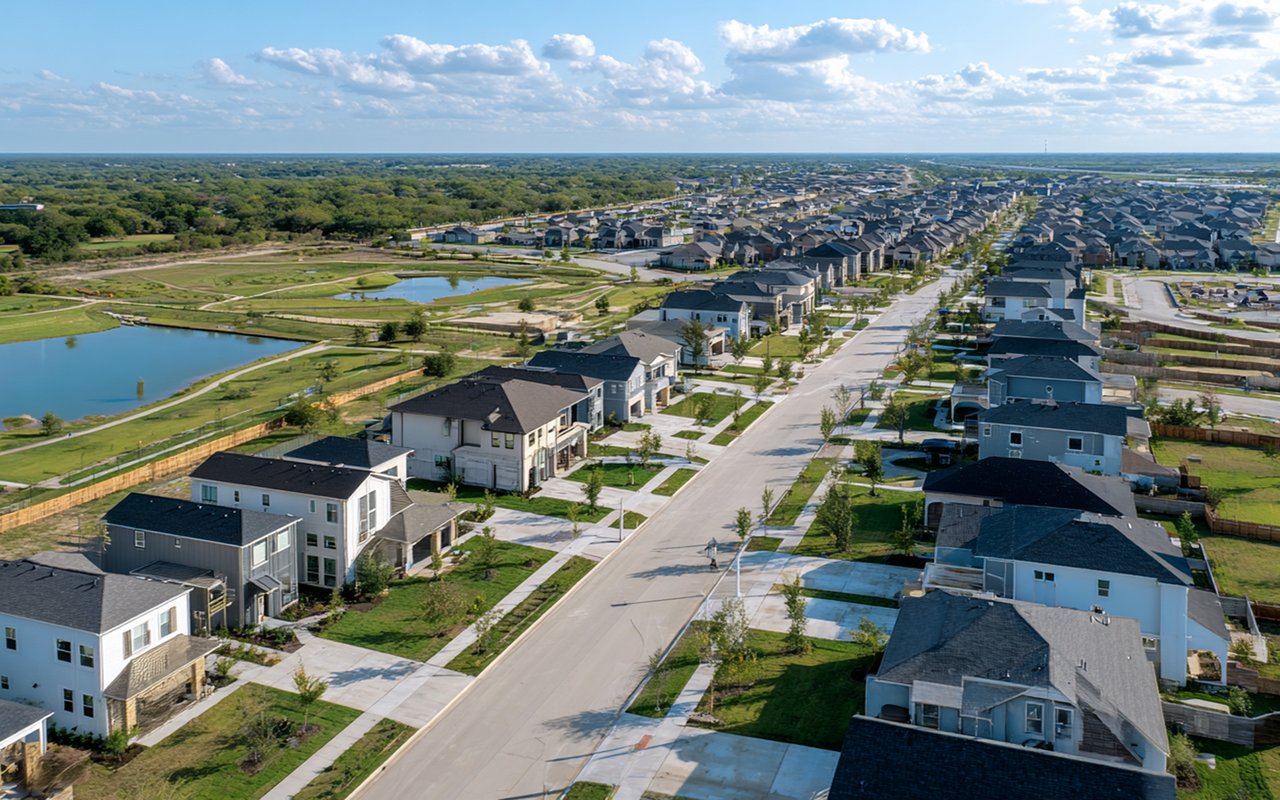
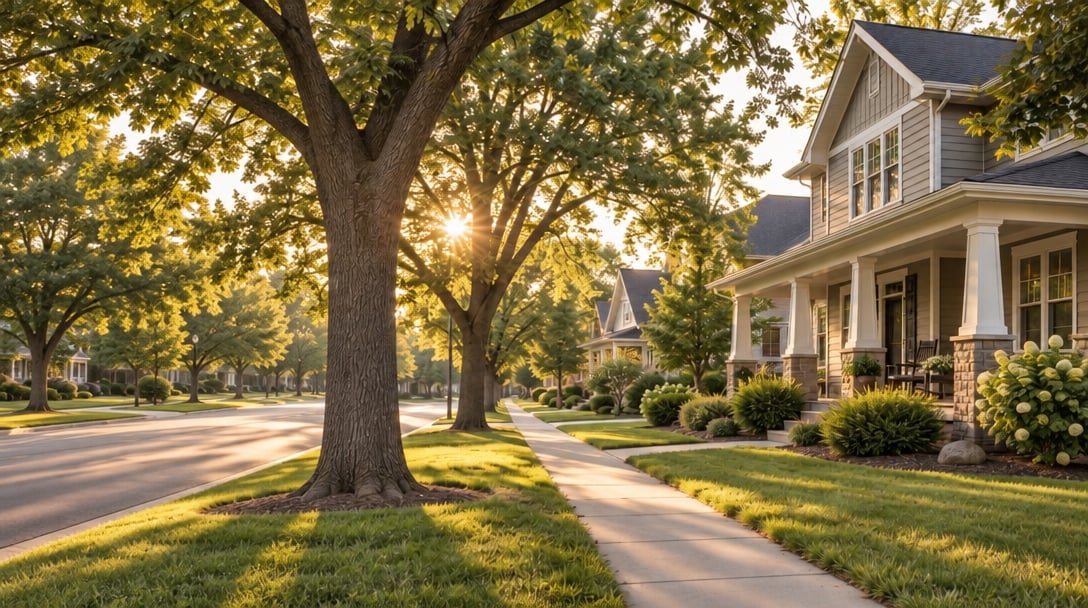
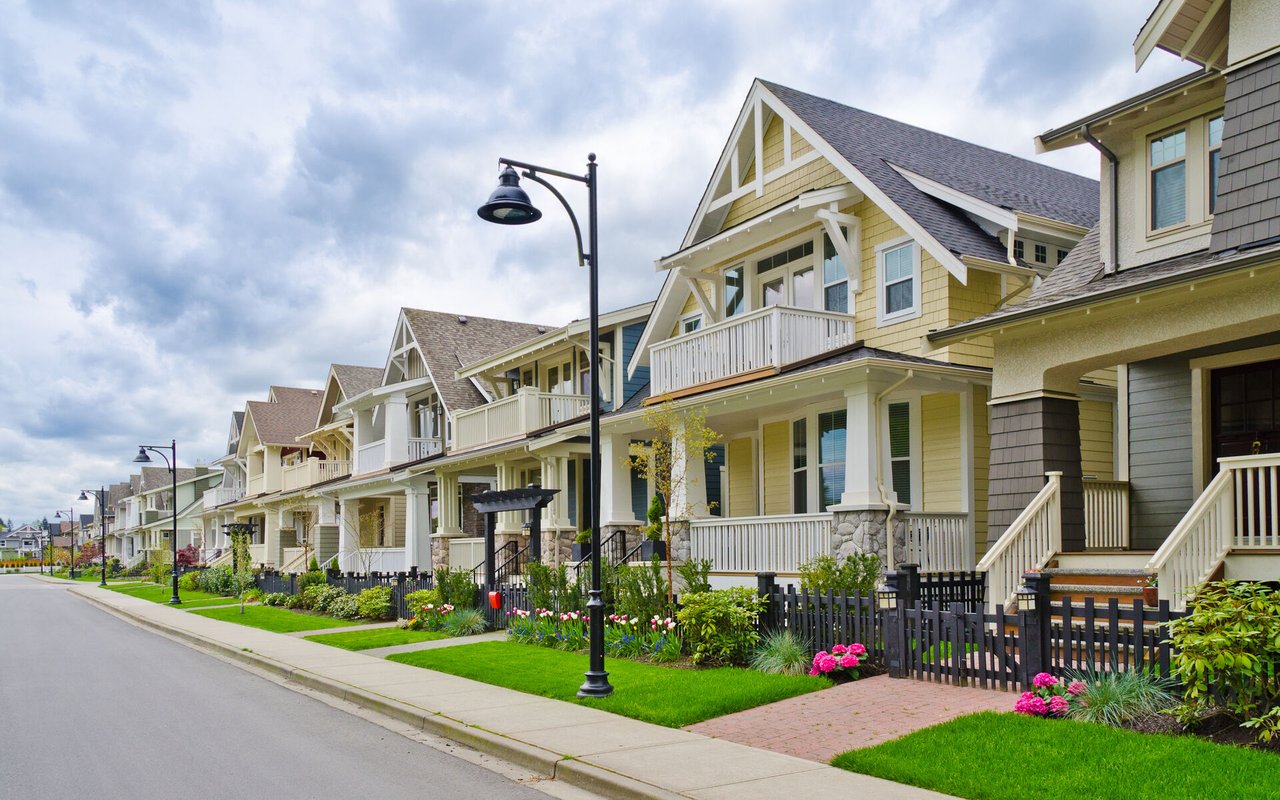
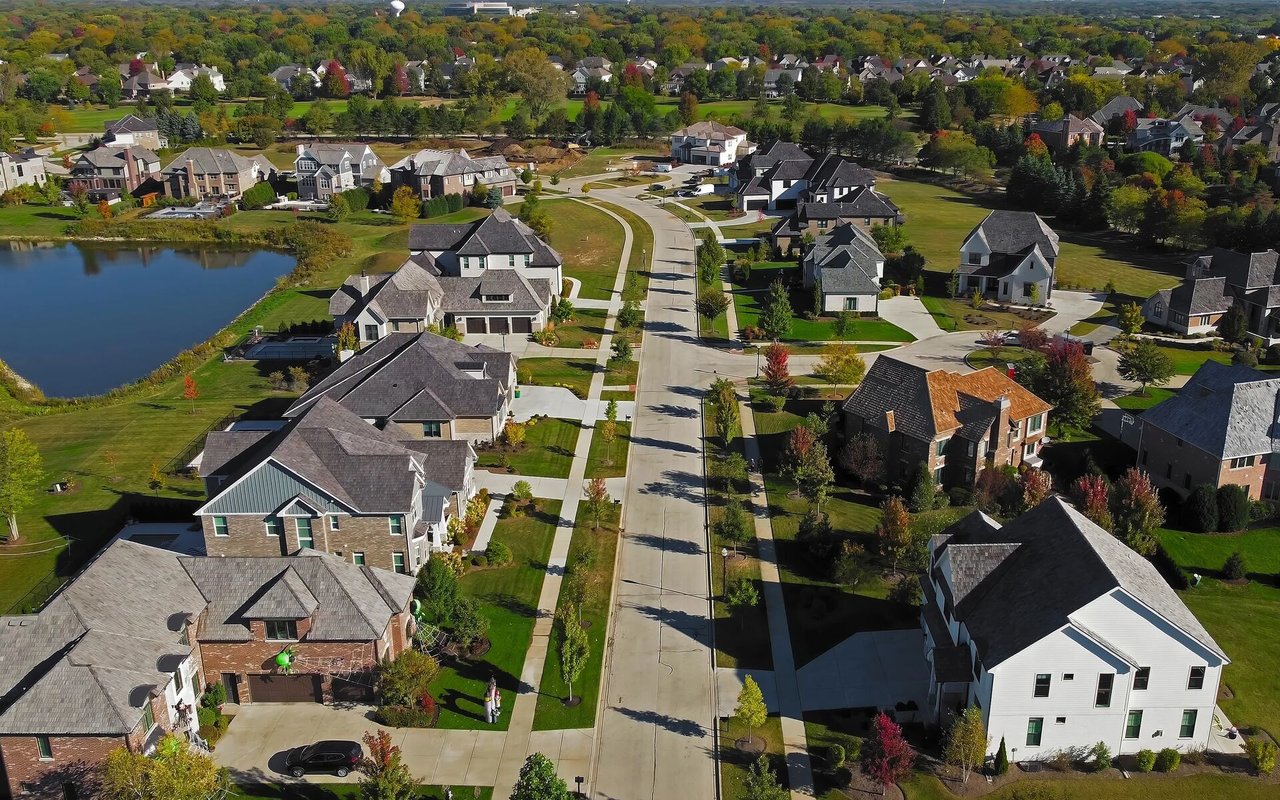
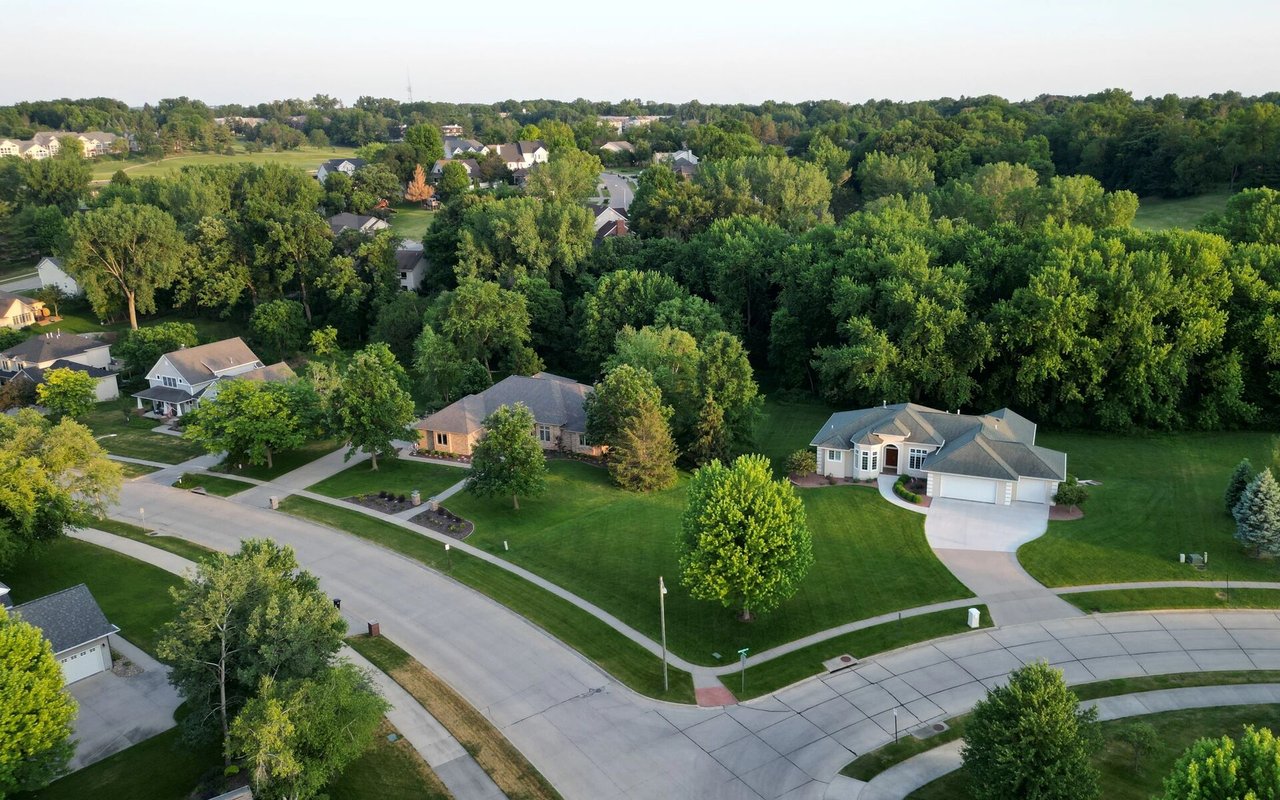
Street and setting. A quiet interior street, a mature tree canopy, a lot backing to open space, or a short walk to Terra Park and Saylorville. Buyers register this before they can name it, and it holds value when you sell again.
Condition over cosmetics. Paint is cheap, and buyers know it. Roof age, windows, HVAC, and a dry basement quietly set your number, because those are the items a buyer cannot talk themselves out of caring about.
Updates that pay versus updates that please. A functional kitchen with good layout and light tends to pay. A highly personal tile choice, a converted garage, or a pool often pleases one buyer and worries the next ten.
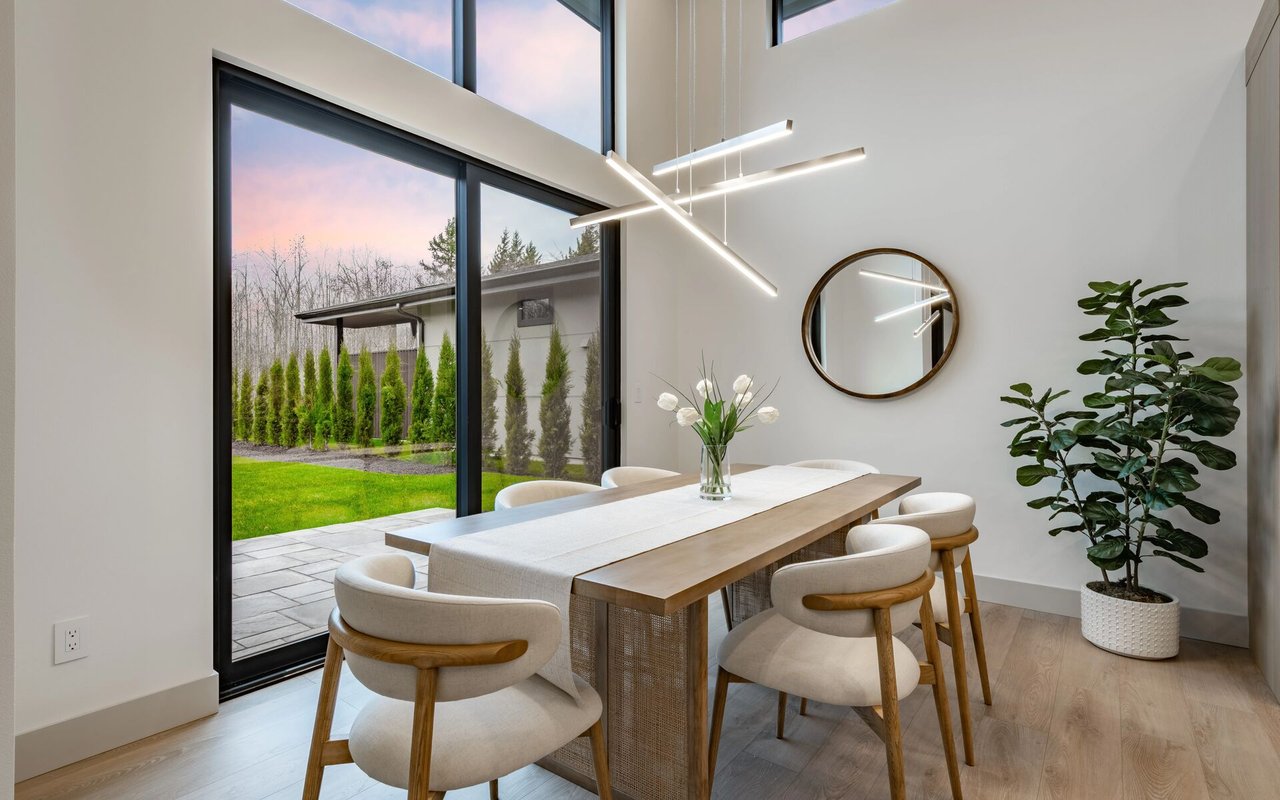
Layout and light. Move-up buyers are solving for how the house runs on a weekday morning. The entry, the kitchen, and the stairs get judged in about a minute.
The things an inspection will find anyway. Deferred maintenance does not stay hidden. It just moves the negotiation later, usually at a worse moment for you.
For context, Johnston's typical home value sits around $400K (Zillow, August 2026). Treat that as a feel for the market, not a promise about your house.
PRICING HIGH TO "LEAVE ROOM" USUALLY COSTS YOU
The most common instinct I hear is to price a little high so there is room to negotiate. It sounds careful. It usually backfires.
Your home gets its most attention in the first days it is live. Buyers who are actively shopping have seen everything else; they know your competition, and they move fast. If your house is priced past what the market will pay, those buyers walk by in exactly that window. Showings slow, the listing ages, and then you are cutting price into a quieter market with a house that now looks like it has been sitting.
Price it right, and you get competing interest. Competing interest is what pays more than the cushion you invented.
WHAT I LOOK AT ON A WALKTHROUGH
When I walk a home, I am not looking for reasons to compliment it. I build the same list a buyer's agent will.
I check the systems and their ages. I look for water where it should not be. I look at how the floor plan lives, not just how it photographs. I compare your home with the closest competing listings and what they offer that you don't. Then we decide what to handle before listing and what to hold firm on after the inspection.
That conversation is usually worth more than the number itself.
HOW I'D PRICE YOUR HOME
My starting point is your timeline, not the market average. When you need to be moved, what carrying two payments would cost you, and what you are buying next all change what a given price is actually worth to you.
Most of my clients are moving up, which means two closings and one moving truck. That is the real problem to solve. Buy first or sell first, how fast your current home will move, and where you land if it sells in ten days. We map those scenarios before we set a price, so the price is not a guess but part of a plan.
Then we pressure-test it. What happens if we are a little high? What happens if we are a little low? What we do on day ten if the traffic is not there.
NEXT STEP
If you are thinking about selling in Johnston, the most useful thing I can do is not send you a number. It is to walk your home, show you what a buyer will see, and tell you honestly where you sit against what is on the market right now.
Start with the number at peterjonesrealty.com/home-valuation. Or grab 20 minutes on my calendar at calendly.com/peterwjonesrealtor, or call or text 515-585-9849, and we'll run your numbers together.
No pressure. Just the numbers, in plain language, from someone who knows these streets.