

Moving Up This Winter? The Questions Smart Buyers Are Asking Right Now

The holidays have a way of making things obvious.
More people. More stuff. Less space.
For many homeowners, it’s not the decorations or the extra dishes that linger after the holidays — it’s the realization that the house that “worked fine” all year doesn’t actually fit their life anymore.
If that thought crept in this winter, you’re not alone. And more importantly, you’re not late.
In fact, winter is often when the smartest move-up buyers start asking the right questions.
“Are We Really Doing This Again Next Year?”
This is usually the first moment of clarity.
It’s not about granite counters or square footage envy. It’s about function:
-
Hosting feels cramped
-
Bedrooms are spoken for
-
Storage is maxed out
-
Life has changed, but the house hasn’t
The challenge isn’t knowing you want to move up — it’s figuring out how to do it without creating unnecessary risk.
That’s where most people get stuck.
The Real Questions Move-Up Buyers Are Asking Right Now
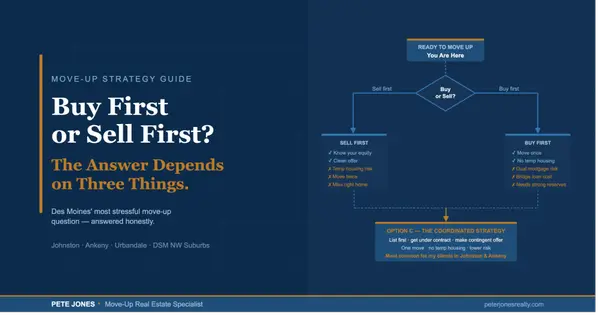
1. Do We Have to Sell First?
This is the biggest fear — and the biggest misconception.
Selling first can make sense in some situations. But it’s not automatically the safest move.
In winter, fewer buyers are competing, sellers are often more flexible, and contingent offers actually get reviewed instead of ignored. The key isn’t the order — it’s the structure.
A well-planned buy-sell strategy matters more than whether you sell or buy first.
2. What If Our House Doesn’t Sell?
This question usually signals a lack of planning, not a bad market.
Your current home isn’t a liability — it’s your leverage.
Equity, timing flexibility, rent-backs, extended closings, and aligned contingencies all exist for one reason: to reduce risk during a move-up transition. But those tools only work if they’re mapped out before you start touring homes.
Without a plan, everything feels reactive. With a plan, you regain control.
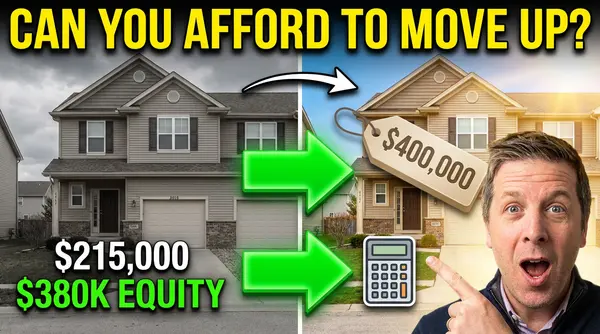
3. Can We Even Afford to Move Up Right Now?
Affordability isn’t just about price — it’s about structure.
Move-up buyers often have more options than they realize, especially when equity is used intentionally instead of emotionally. The mistake is focusing on the next house before understanding how the current one supports the move.
Winter is an ideal time to run real numbers, not guesses.
4. Should We Just Wait Until Spring?
Waiting feels safe — but it isn’t neutral.
Spring usually brings:
-
more buyers
-
more competition
-
fewer concessions
-
tighter timelines
Winter buyers aren’t rushed. They’re intentional.
By planning now, you’re not committing to a purchase tomorrow — you’re giving yourself options before the market speeds up.

Why Winter Is a Planning Advantage (Not a Risk)
Winter isn’t about rushing into a decision. It’s about clarity.
When there’s less noise:
-
Conversations are calmer
-
Negotiations are more thoughtful
-
Decisions are made with intention, not pressure
For move-up buyers, that matters.
Most stress doesn’t come from moving — it comes from uncertainty. Winter is when that uncertainty can be reduced.
The Smart Next Step Isn’t Touring Homes
If this winter made you think, “We can’t do this again next year,” the next step isn’t jumping into open houses.
It’s building a plan.
A real plan answers:
-
What order makes sense for you
-
How your equity fits into the move
-
What timing reduces risk instead of adding it
Once that’s clear, everything else becomes easier.
Final Thought
Moving up isn’t about timing the market perfectly.
It’s about understanding your leverage, your options, and your order — before urgency sets in.
If you’re even thinking about moving up in the next 6–12 months, winter is the right time to get clarity.
If you’re considering moving up and want to understand your options before spring competition heats up, I’m happy to walk through what a smart buy-sell plan could look like for your situation — no pressure, just clarity.
Categories
Recent Posts







Peter Jones Realty
Phone