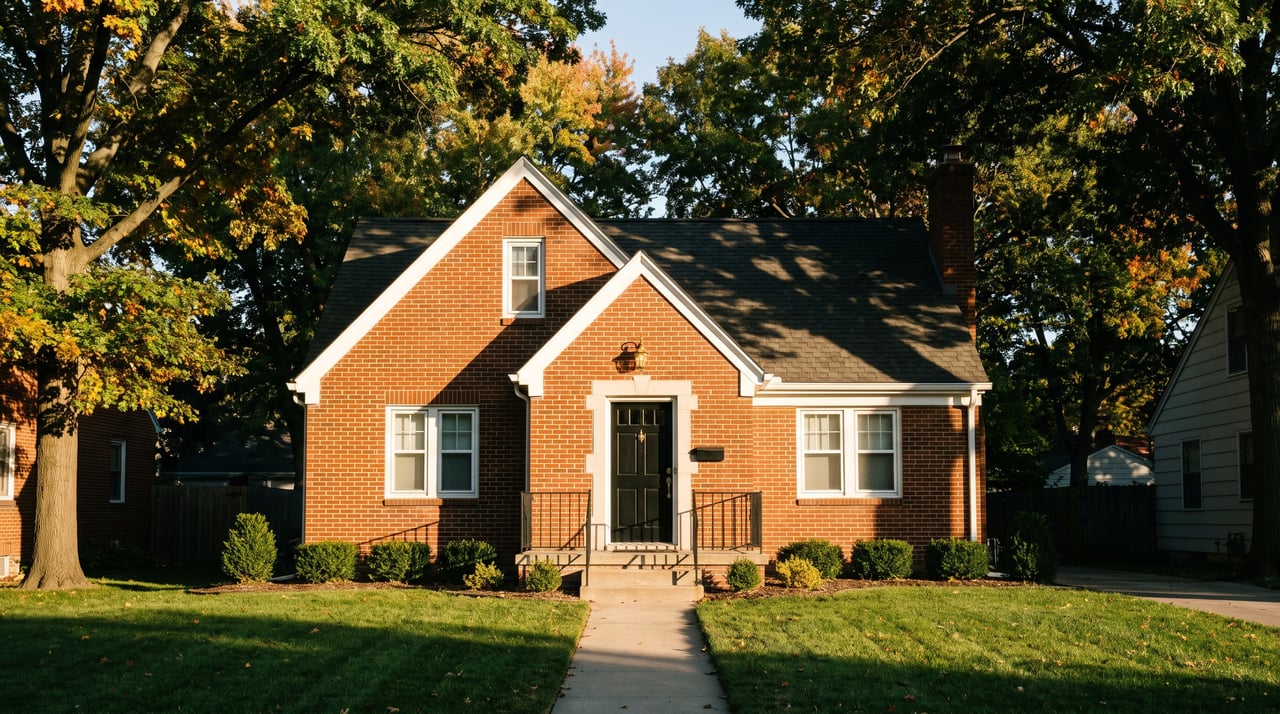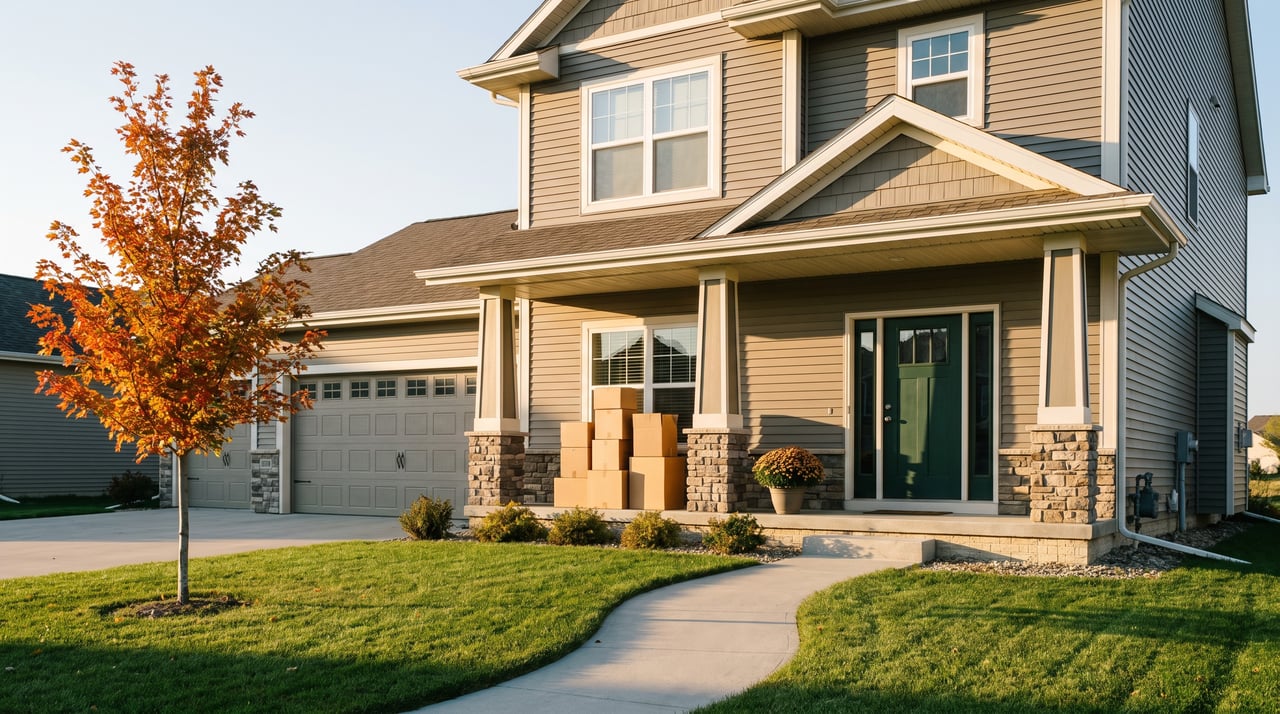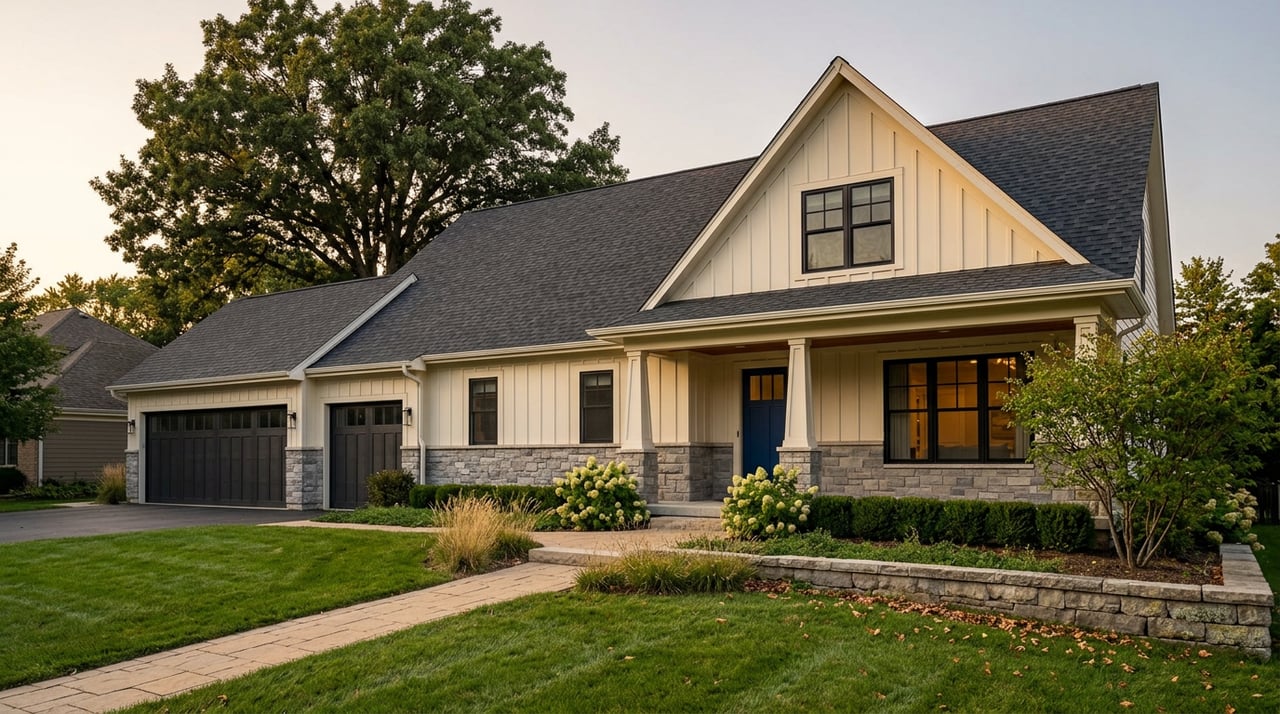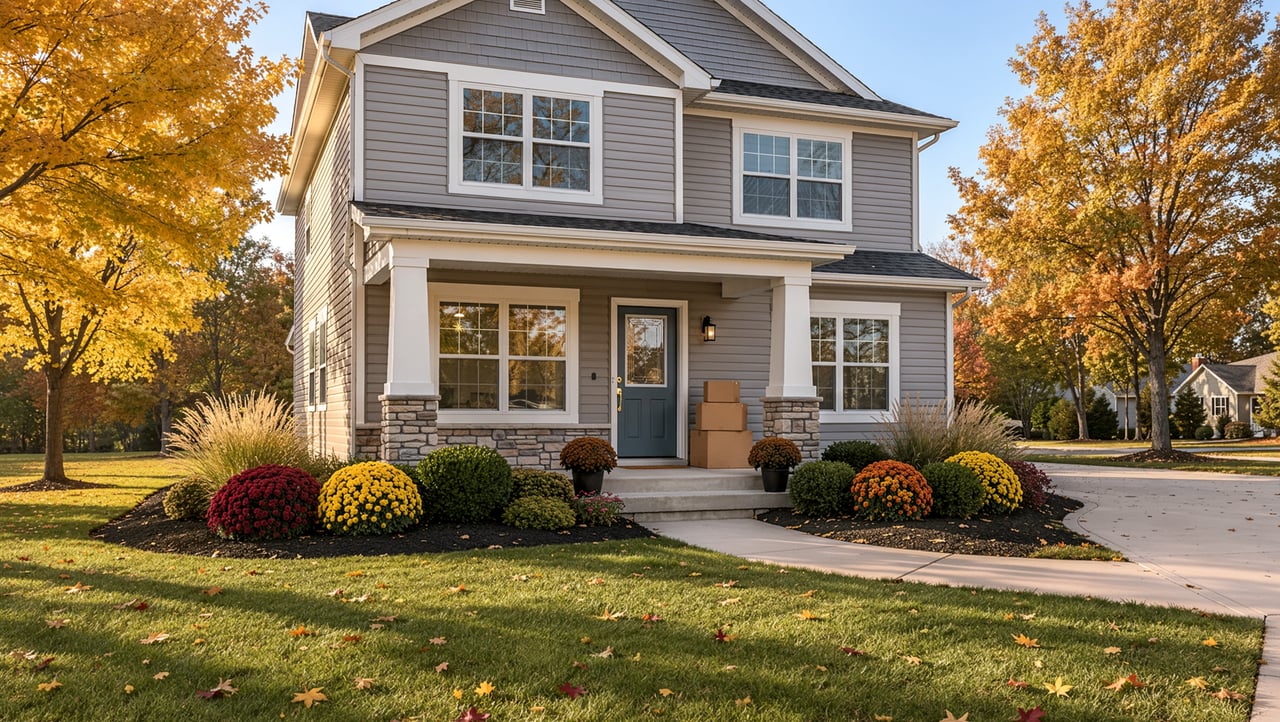
You found the house in Johnston. Four bedrooms, a bigger yard, a kitchen with room to spread out. You wrote a strong offer. And the seller picked someone else.
Not because your price was low. Because your offer said three words: subject to sale.
That line means you can only buy if your current home sells first. To a seller, that's a risk they can't control. When a clean offer lands next to yours, it often wins, even at the same price.
For move-up buyers in Johnston, Urbandale, Ankeny, Grimes, Waukee, West Des Moines, and Clive, this is the hardest part of the move. Your equity is tied up in the house you live in, and you need it for the next one.
For years, there were three ways around that. Now there's a fourth. I call it the contingency killer. Here's how it works, what it costs, and how it stacks up against the other three.
Why "Subject to Sale" Costs You the House
A home-sale contingency asks the seller to bet on a second house they've never seen. If your home doesn't sell, their deal can fall apart, and they've lost weeks off the market.
So sellers protect themselves. Some pass on contingent offers entirely. Others accept but add a kick-out clause: they keep showing the home, and if a better offer comes in, you get a short window to drop your contingency or walk away.
With more homes for sale across the metro this fall, some sellers are more open to contingent offers than they were a year ago. But when two offers come in close on price, the one without strings usually gets the house, and often the better terms on inspection and closing date.
The Three Usual Ways Move-Up Buyers Bridge the Gap
Most move-up buyers I talk to in the NW suburbs know some version of these three.
Sell first, then buy. No contingency, because your money is already in hand. The catch is the gap in between: a rental or a stay with relatives, a storage unit, and two moves instead of one. And if the right house doesn't come up fast, that gap gets longer.
Take a bridge loan. A short-term loan against your current home that covers the down payment on the next one. You avoid the contingency, but you can end up paying your current mortgage, your new mortgage, and the bridge loan all at once. Fewer lenders offer them, and the rates and fees usually run higher than a regular mortgage.
Borrow against your equity with a HELOC. A line of credit on the home you're in now. The national average was 8.10% on Nov. 18, 2026 (Fortune), and it's variable, so that number can move. Most lenders want you to keep 15% to 20% equity, closing costs typically run 2% to 5% of what you borrow, and you need it set up before you list. Like a bridge loan, you carry payments on both homes until the old one sells.
All three can work. Each one trades a contingency for a different kind of stress: a second move, or a second payment.
The Fourth Option: Buy Before You Sell
A buy-before-you-sell company gets you the equity in your current home before it sells, so you can buy first with an offer that has no home-sale contingency. Here's how it typically works.
- Get a preliminary offer on your current home. You answer questions about the house, upload photos, and fill out a short loan application.
- Unlock your equity. The company typically advances up to about 80% of your home's market value. Your current mortgage gets paid off, the fee comes out, and what's left goes toward your next down payment.
- Qualify for your new mortgage and write a clean offer. No "subject to sale." To the seller, your offer looks a lot like any other financed buyer who doesn't have a house to sell.
- Move once. You close on the new home and move straight in. No rental, no storage unit.
- List your old home empty. We prep it, stage it if it helps, and show it any time without working around your schedule.
- Lean on the backup if you need it. If your home doesn't sell within a set window, often six months, homeowners who qualify can get a backup offer from the company.
How the Four Options Compare
The difference comes down to how many times you move and how many payments you carry while you wait.
Option | Moves | Home-sale contingency on your offer? | What you pay while you wait | Main cost |
|---|---|---|---|---|
Sell first, then buy | Two | No | Rent, plus storage | Temporary housing and a second move |
Bridge loan | One | No | Current mortgage, new mortgage and bridge loan | Bridge loan interest and fees |
HELOC | One | No, if it covers your down payment | Current mortgage, new mortgage and HELOC | Variable rate, plus 2% to 5% closing costs |
Buy before you sell | One | No | New mortgage, plus a monthly charge until the old home sells | Program fee and monthly charge |
One detail people miss: with buy before you sell, your current mortgage is typically paid off when you unlock your equity. You aren't carrying two mortgage payments. You're paying a fee for time instead.
What It Costs: A Johnston Example
Let's run the numbers first. Say you own a home in Johnston worth $400,000, and you still owe $220,000 on it.
- Equity unlocked at 80% of value: $320,000
- Current mortgage paid off: −$220,000
- Program fee at 1% of your home's value: −$4,000
- Available toward your next down payment: about $96,000
That's a strong down payment, in hand, before your house is even listed.
Then there's the monthly charge. At least one national provider charges 1% per month on the equity loan until your old home sells. So the clock matters. Every month your old home sits on the market costs you.
That's why how your current home is priced and marketed matters more here, not less. A home that's priced right, empty, staged, and easy to show has the best shot at selling fast, and that keeps more of your equity in your pocket.
This is an example, not a quote. Your real numbers depend on your home's value, what you owe, your credit, and the provider's terms.
Questions Worth Asking Before You Sign Up
Buy before you sell isn't the right fit for every move. These five questions will tell you fast.
- Is my current home eligible where I live? These programs are only offered in certain states, so check this first.
- Does my loan type work? Some providers work with conventional, jumbo, and VA loans, but not FHA or USDA.
- How is the monthly charge calculated, and when does it start? Get it in writing, and ask what it adds up to at 30, 60, and 90 days on the market.
- What's the backup offer, and how is it priced? One provider sets it at roughly 90% to 95% of market value, minus a 6% commission. That's a safety net, not a plan.
- Can I keep my own agent and lender? You should be able to. Ask before you apply.
FAQ
Is this the same as a cash offer? Not quite. You still get your own mortgage on the new home. What changes is that your offer has no home-sale contingency, because your equity is already unlocked for the down payment.
Do I have to sell my old home to the company? No. You list it with your agent and sell it on the open market like any other home. The company's backup offer only comes into play if it doesn't sell within the program's window, and one provider says 99% of its clients never need it.
Who is this a good fit for? Homeowners with solid equity who want to move once, write a clean offer, and list an empty home. If you have plenty of time, or your equity is thin, selling first or a HELOC may cost less. That's the comparison worth running before you decide.
Thinking about moving up in Johnston, Urbandale, or anywhere in the NW suburbs? Let's run the numbers first: what your home could sell for, what you'd net, and whether buy before you sell beats a HELOC or a bridge loan for you. Two closings, one moving truck. Let's Connect